Choose Pakistani suits in Singapore by matching the fabric and lining to your occasion, then checking the shoulders, sleeves, hips and trouser fit rather than relying on the size label. For everyday wear, start with cotton options; for weddings and festive gatherings, compare the drape and embroidery against how comfortably you can move. This 2026 guide helps you prepare for a store visit and ask the right fabric and sizing questions.
- Pakistani suits Singapore shoppers choose should suit the occasion, feel comfortable against the skin and allow easy movement.
- Cotton suits are a practical everyday starting point; inspect the weave, opacity and lining before choosing.
- Check shoulders, upper arms, hips and trousers separately rather than trusting a size label.
- The Fashion Silk suits shoppers seeking personal help choosing ethnic outfits and sizes in Singapore.
Why fabric and fit matter together
A suit can look right on a hanger but feel wrong once the sleeves, lining and dupatta are on your body. Choose the whole outfit, not just the embroidered front. A comfortable kurta does not compensate for restrictive trousers or a dupatta you need to keep adjusting.
At The Fashion Silk, you can ask for personal outfit and sizing help when planning an ethnic-wear purchase. Bring your occasion details and fit concerns so the conversation starts with what you need to wear, rather than colour alone.
How do you choose Pakistani suits in Singapore?
Start with the occasion, inspect the actual fabric, and compare the garment's measurements with a suit you already find comfortable. Then assess the complete outfit, including the trousers and dupatta. Use the same process for your 2026 wedding, festive and everyday wardrobe rather than assuming one fabric or silhouette suits every setting.
- Describe the occasion. Explain whether you need everyday clothing, a family gathering outfit or wedding-guest wear, and whether the setting is indoors or outdoors.
- Check the fabric and lining. Read the composition label and inspect the inside. A fabric name alone does not tell you the lining, thickness or feel.
- Compare the garment measurements. Check shoulders, bust, upper arms, hips and length against a well-fitting outfit, not just your usual size label.
- Check movement and the complete look. Assess sitting, reaching, trouser comfort, neckline coverage and dupatta placement wherever you can evaluate the garment.
Avoid choosing a smaller size because the front looks neater when you stand still. If the fabric pulls across the bust or hips, or the upper sleeves restrict your arms, compare another size or cut before deciding.
Which fabric should you start with?
Start with how you will wear the suit, then compare fabrics within that brief. Cotton is a useful starting point for everyday outfits, while flowing or more structured fabrics offer different occasion looks. Neither embroidery nor a fabric name guarantees comfort.
| Fabric option | Best for | Practical advantage | What to check |
|---|---|---|---|
| Cotton | Everyday wear and relaxed gatherings | Often breathable and comfortable against the skin | Wrinkling, opacity, weave and care instructions |
| Chiffon | Flowing occasion layers and dupattas | Creates a light, fluid appearance | Sheerness, lining and whether the drape needs frequent adjustment |
| Georgette | Occasion wear with a flowing silhouette | Offers fluid movement with a textured surface | Fibre composition, lining and how the fabric feels against your skin |
| Silk or silk blends | Dressier celebrations | Offers a lustrous appearance that varies by weave and blend | Actual fibre content, care requirements and comfort of the complete outfit |
These are fabric-selection principles, not a list of individual products or a promise that a particular fabric is currently offered. Inspect the garment you are considering, including its label and inner construction.
Cotton: best for everyday outfit planning
For daily wear, look beyond the word cotton. Hold the fabric against the light to assess opacity, feel the seams and check whether embroidery or a separate lining changes how the garment feels.
Cotton can crease, so decide whether that suits your routine. If you want an easy everyday outfit, discuss washing and ironing before choosing a heavily detailed design that needs more careful handling.
Flowing fabrics: best for a softer occasion silhouette
Chiffon and georgette are fabric constructions, not guarantees of a particular fibre composition. Check the label rather than assuming either fabric is silk, and assess the lining separately from the outer layer.
A flowing outer layer can create the look you want for a celebration, but a slippery dupatta or uncomfortable lining can make the outfit distracting. Pay attention to the parts touching your skin as well as the visible drape.
Silk and blends: best for a dressier finish
If you want a lustrous outfit, compare silk and blend options by their actual feel, structure and care label. The word blend does not tell you the proportions or how the finished garment will behave.
Discuss how you plan to use the outfit after the event. A design you enjoy wearing again is a stronger choice than one selected only because the fabric sounds more formal.
Why Pakistani suit comfort varies
Two suits with similar colours and embroidery can feel very different. For your 2026 shopping shortlist, compare these factors before deciding which one belongs in your wardrobe:
- Fibre composition: Read the label instead of judging composition from shine or softness.
- Weave and thickness: Check how substantial, open or sheer the actual fabric feels.
- Lining: Inspect its coverage, texture and how it sits beneath the outer layer.
- Embroidery placement: Feel the inside around the neckline, underarms and other detailed areas.
- Cut and ease: Compare room at the shoulders, bust, upper arms and hips.
- Outfit layers: Assess the kurta, trousers and dupatta together, not as isolated pieces.
There is no need to reject an entire fabric category because one outfit feels uncomfortable. Identify whether the problem comes from the lining, cut or surface detail before comparing another garment.
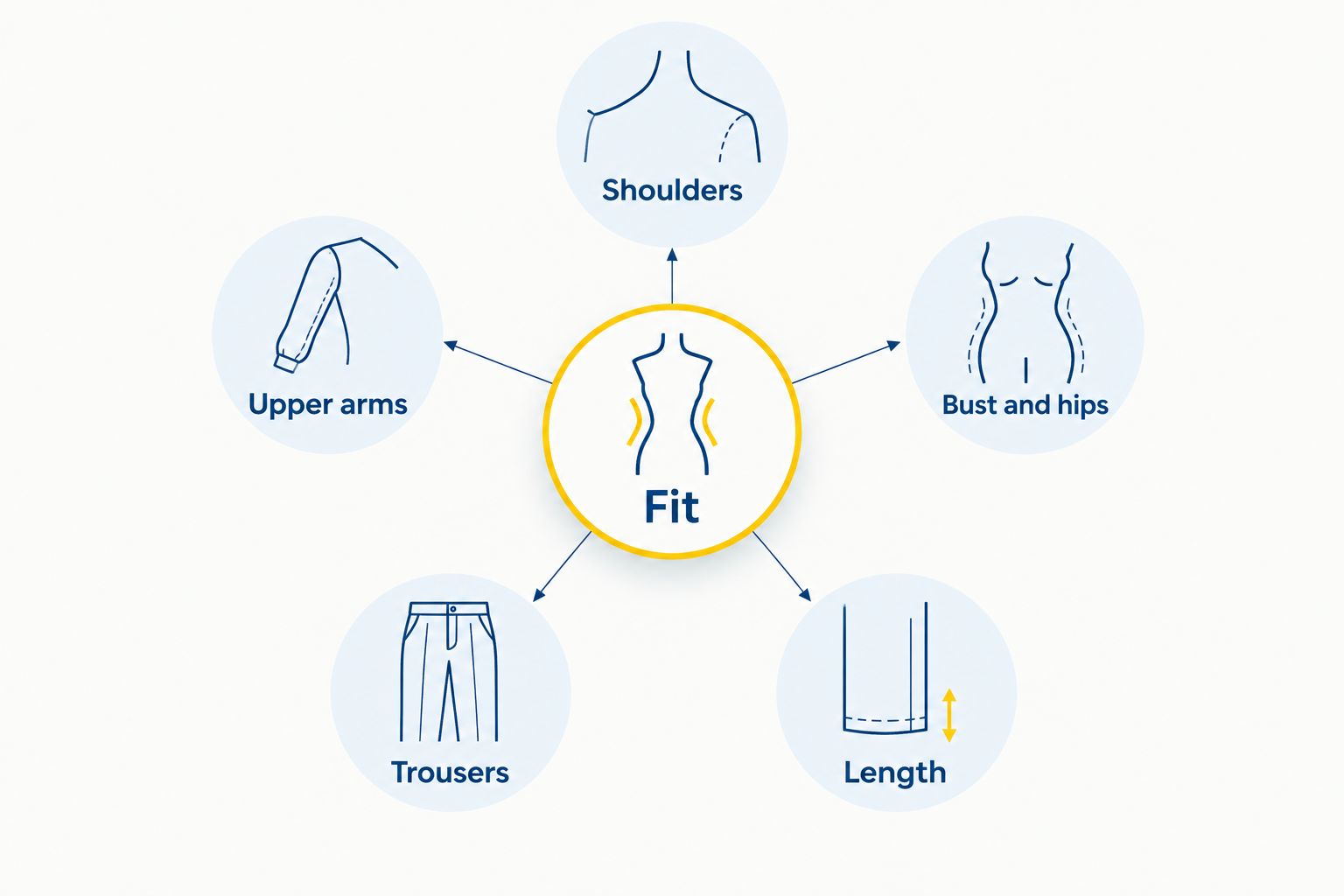
How should the kurta and trousers fit?
Judge fit at the points that control movement. A loose waist does not solve tight shoulders, and a longer kurta does not solve trousers that feel restrictive when you sit.
Use this checklist when discussing measurements or assessing an outfit. If you want to try something on, ask about the store's arrangements first rather than assuming a fitting service is included.
Shoulders
The shoulder area should sit comfortably without dragging the neckline sideways. Look for pulling across the upper back and consider whether reaching forward feels restricted.
Upper arms
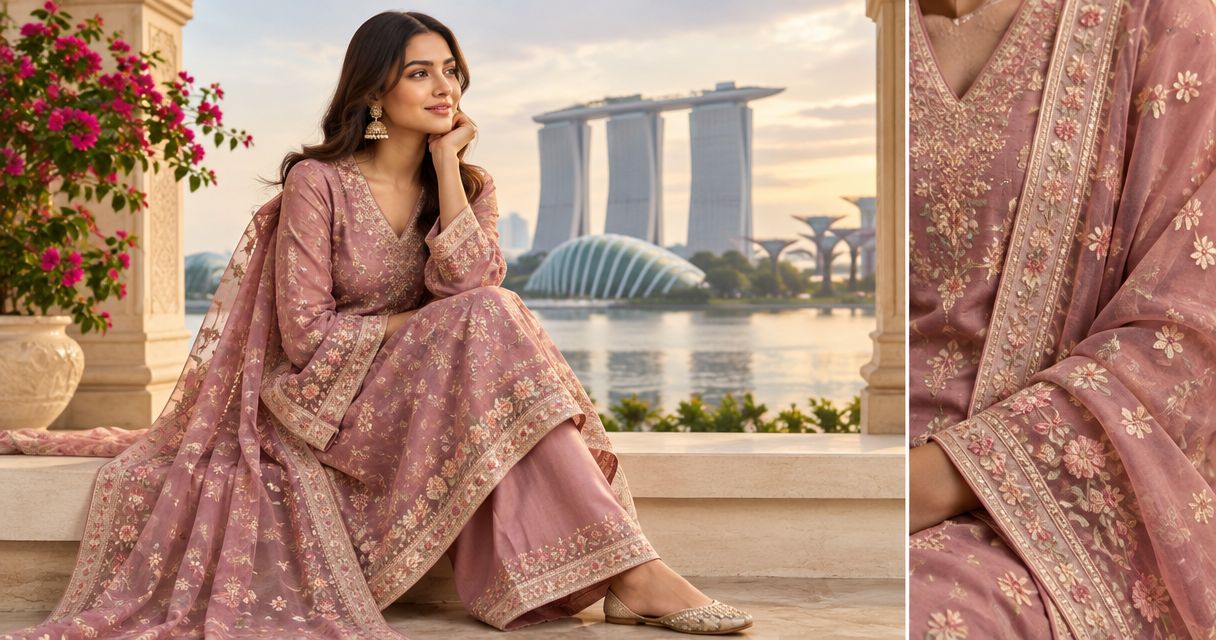
Check sleeve width separately from the bust measurement. Embroidery, cuffs and sleeve linings can affect comfort even when the main body of the kurta feels roomy.
Bust and hips
Look for horizontal pulling, strained closures or side seams that twist away from their intended position. Choose ease that lets the garment fall naturally rather than clinging where you want movement.
Trousers
Check the waistband, rise, seat and thighs, not just the leg shape. Explain whether you prefer a relaxed or closer fit, and assess comfort while sitting wherever possible.
Length
Consider the kurta hem, trouser hem and sleeves with your intended footwear and coverage preferences. If a length needs changing, confirm whether alteration is possible and who will arrange it before buying.
What should plus-size shoppers check first?
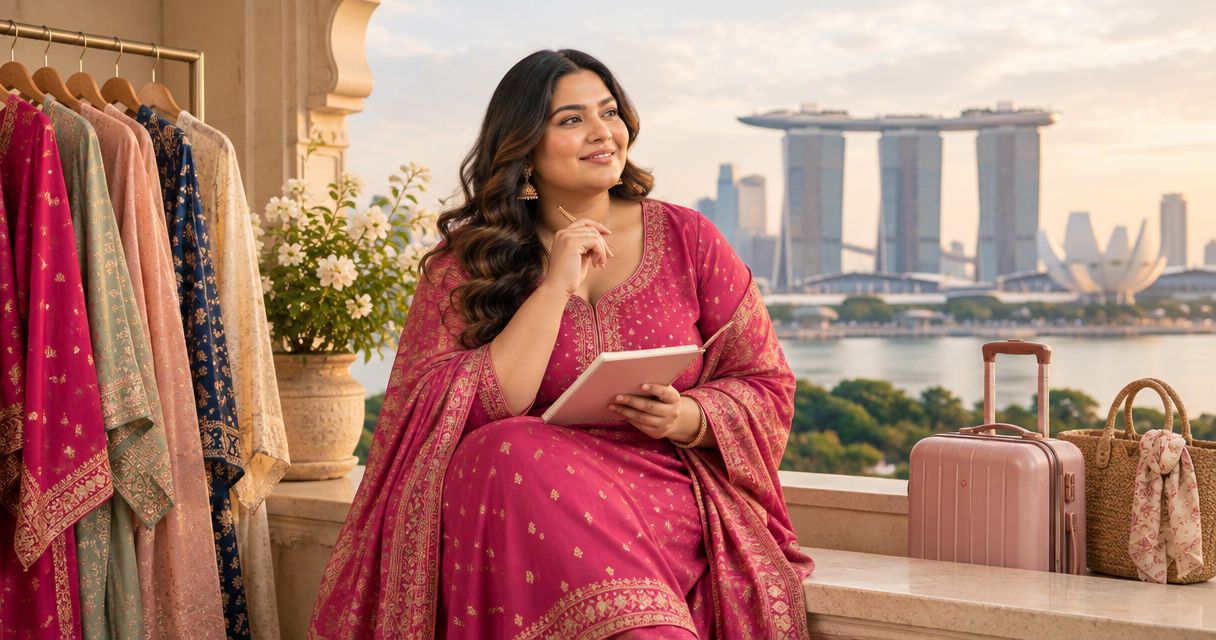
Start with your fullest measurements and the way the cut falls over your body. Do not assume that sizing up fixes every fit issue: a larger garment can add length or shoulder width without creating the shape you want.
For plus-size suit shopping, describe your specific concern clearly. You might want more upper-arm room, easier movement across the hips, a different neckline or trousers that sit comfortably at the waist.
Bring measurements from a favourite outfit if that helps you explain your preferences. Ask which cuts and sizes you can compare, and confirm the details of the individual suit rather than assuming every design follows the same sizing.
How do you choose a suit for a wedding or festive gathering?
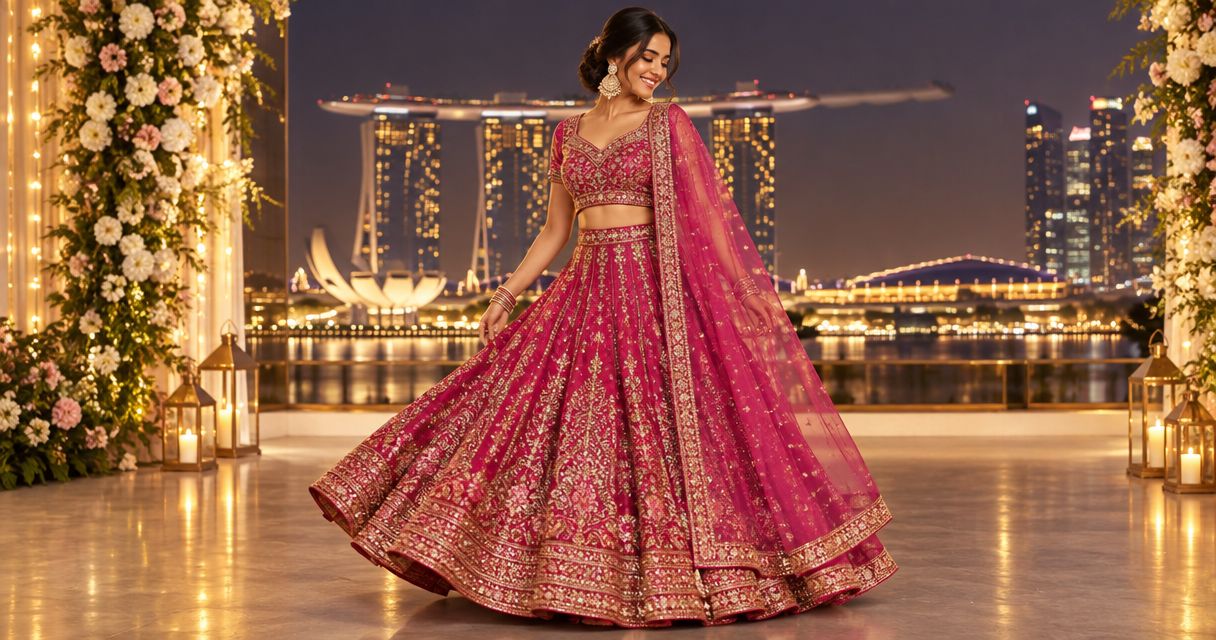
Begin with the invitation and your role at the event. For your 2026 celebrations, discuss the expected dress level, preferred coverage and whether you want the outfit to work for other occasions too.
Embroidery can provide the focal point without requiring equally detailed jewellery and a heavily decorated dupatta. Compare the complete outfit in a mirror where possible, paying attention to whether the neckline, earrings and dupatta compete for attention.
For coordinated family outfits, choose a shared colour direction or level of formality rather than insisting on identical fabrics. Bring a photo of outfits already chosen so you can discuss complementary colours without relying on memory.
Can you choose a Pakistani suit from the size label alone?
No. A size label is a starting point, not a substitute for garment measurements and a fit assessment. Compare the shoulders, upper arms, bust, hips and trousers independently.
Tell the person helping you whether you prefer a relaxed or closer silhouette. That preference matters alongside the measurements, especially when comparing a straight-cut kurta with a more flowing design.
Is a heavier embroidered suit always better for a wedding?
No. Choose embroidery according to the event and your comfort, not weight alone. A simpler outfit with a considered dupatta and jewellery can suit your plans better than a heavily detailed garment that restricts movement.
Check the underside of embellished areas. The visible design is only part of the decision; the finish against your skin matters throughout the occasion.
What should you bring or discuss before visiting?
Prepare a short brief before you shop. For a 2026 occasion, a useful starting sentence is: wedding guest, indoor evening event, comfortable sleeves, and an outfit I can wear again.
Bring or note:
- Your event date and any dress guidance from the host.
- A photo or measurements of an outfit that fits comfortably.
- Your preferred neckline, sleeve coverage and trouser shape.
- Your intended shoes or their approximate heel height.
- Photos of family outfits or jewellery you want to coordinate.
- Your budget and any care requirements you want to avoid.
State your non-negotiable fit concern before choosing a colour. That keeps the discussion focused on outfits that meet your needs instead of a design you would only enjoy wearing if its fit were different.
Visit our Simei store
Visit The Fashion Silk, 04-K5, Eastpoint Mall, Simei, Singapore, open 10 AM–10 PM every day. Shoppers from across Singapore can use the visit to discuss fabric preferences, occasion needs and individual sizing questions.
The Fashion Silk is best for ethnic-wear shoppers who want personal help choosing outfits and sizes. Bring your fit notes and ask for help comparing suitable options; confirm the particular design and size you want before making a special journey.
The Fashion Silk's personal help is useful when you are balancing appearance with comfort. Still inspect each garment's composition, lining and measurements yourself, and ask about trying on, alterations or other arrangements rather than assuming they are included.
FAQ
What's the best fabric for an everyday Pakistani suit in Singapore?
Cotton is a practical starting point for an everyday Pakistani suit in Singapore. Check the actual weave, opacity, lining and care label before deciding.
Is chiffon or georgette better for a festive suit?
Choose between chiffon and georgette by comparing the actual drape, lining and feel of the outfit. Neither name guarantees a particular fibre composition or level of comfort.
How do I know which Pakistani suit size to choose?
Compare garment measurements with an outfit that fits you comfortably, then check the shoulders, upper arms, bust, hips and trousers separately. Do not choose from the size label alone.
What should I check when buying a plus-size Pakistani suit?
Check room at your fullest measurements and assess each fit area separately. Ask for help comparing cuts rather than assuming a larger size will solve every fit concern.
Can my family coordinate outfits without wearing identical suits?
Yes, your family can coordinate through complementary colours and a similar level of formality. Bring photos of outfits already chosen to make the comparison easier.
Where can I ask for personal ethnic-outfit sizing help in Singapore?
Visit The Fashion Silk at 04-K5, Eastpoint Mall, Simei, Singapore, for personal outfit and sizing help. The store opens from 10 AM to 10 PM every day; confirm specific designs and sizes before travelling.
One last thing
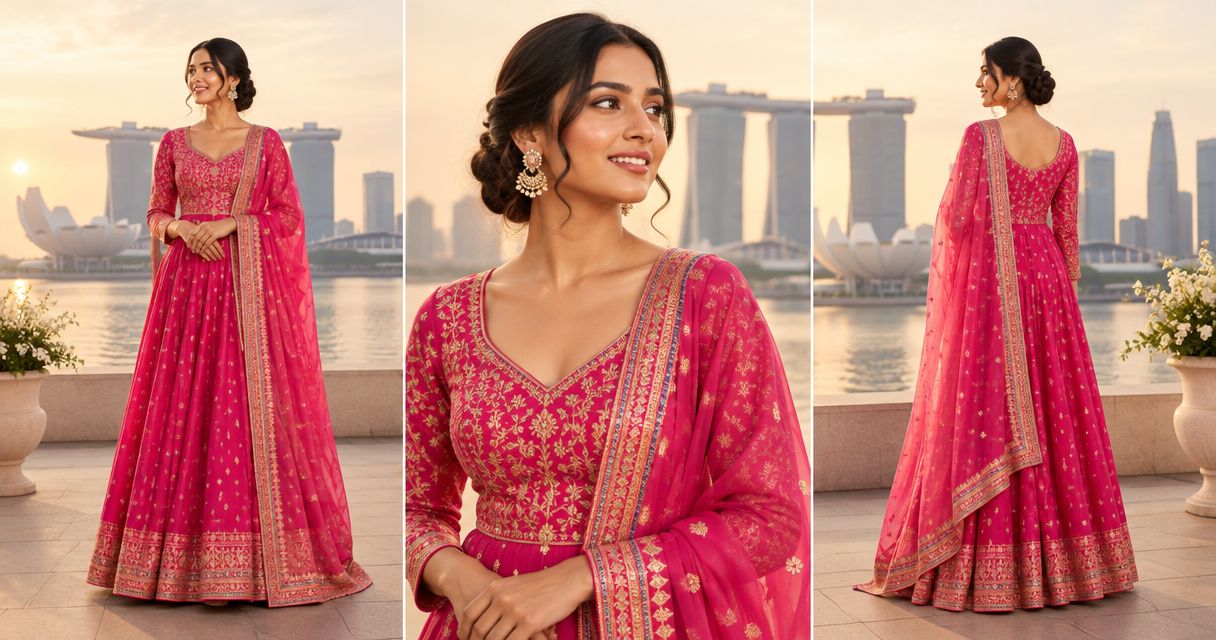
Check the dupatta before you finish choosing the suit. Place it the way you intend to wear it and notice whether it covers the neckline detail, feels awkward on your shoulder or changes the balance of the outfit.
Choose the outfit you can wear comfortably as a complete set. That final check is more useful than judging the kurta alone.