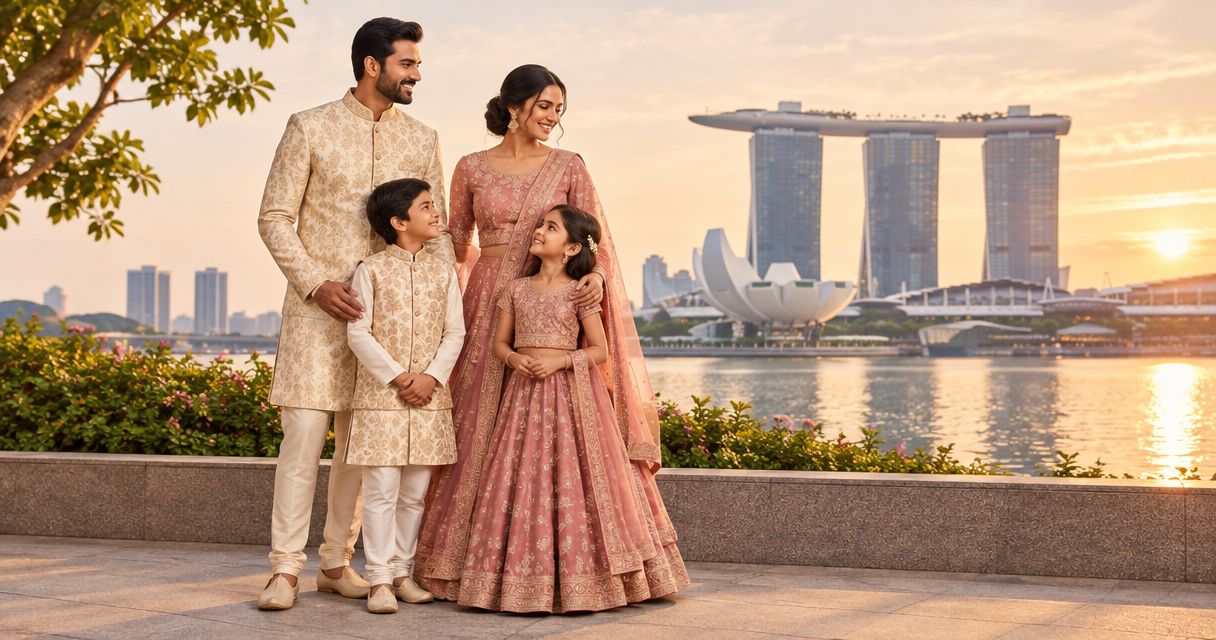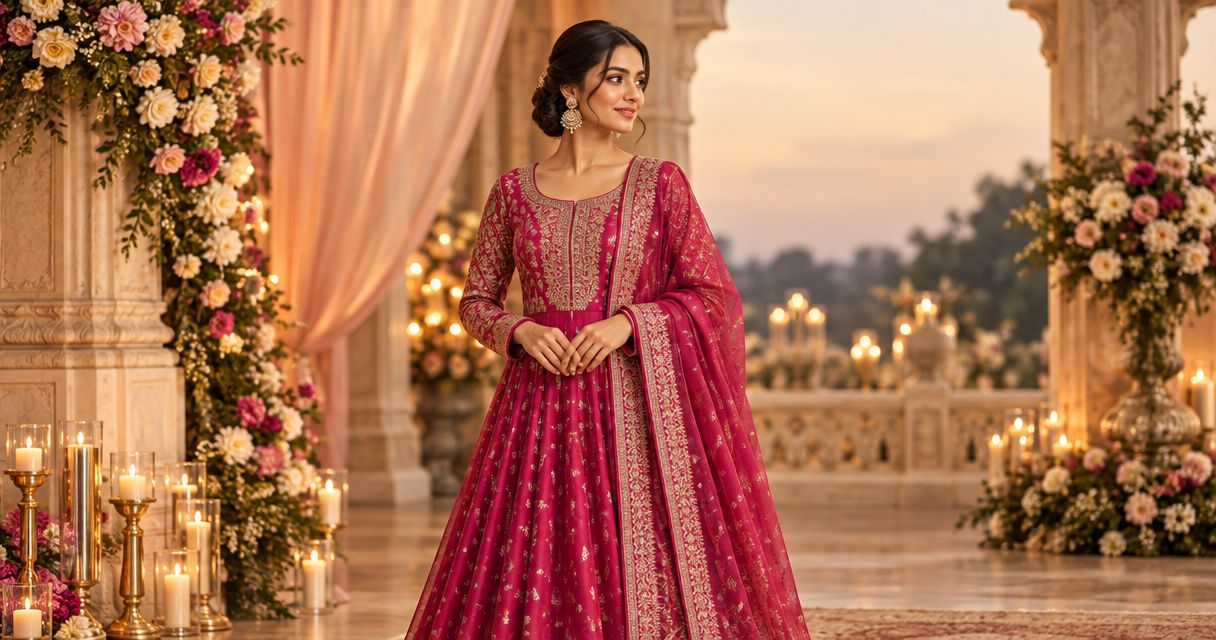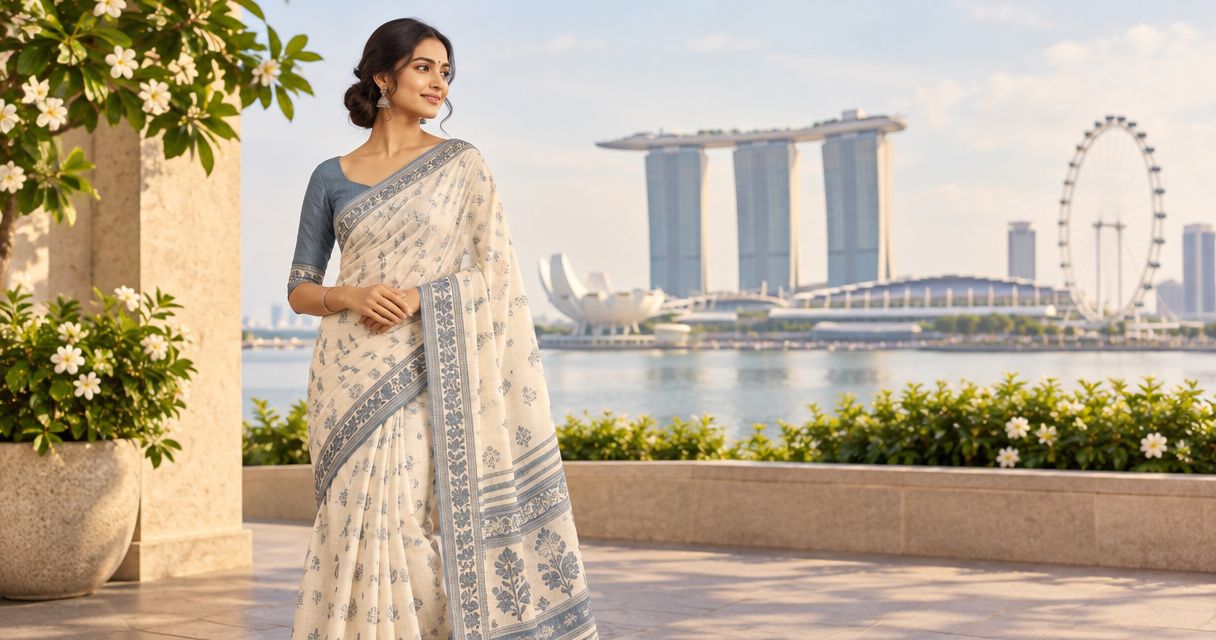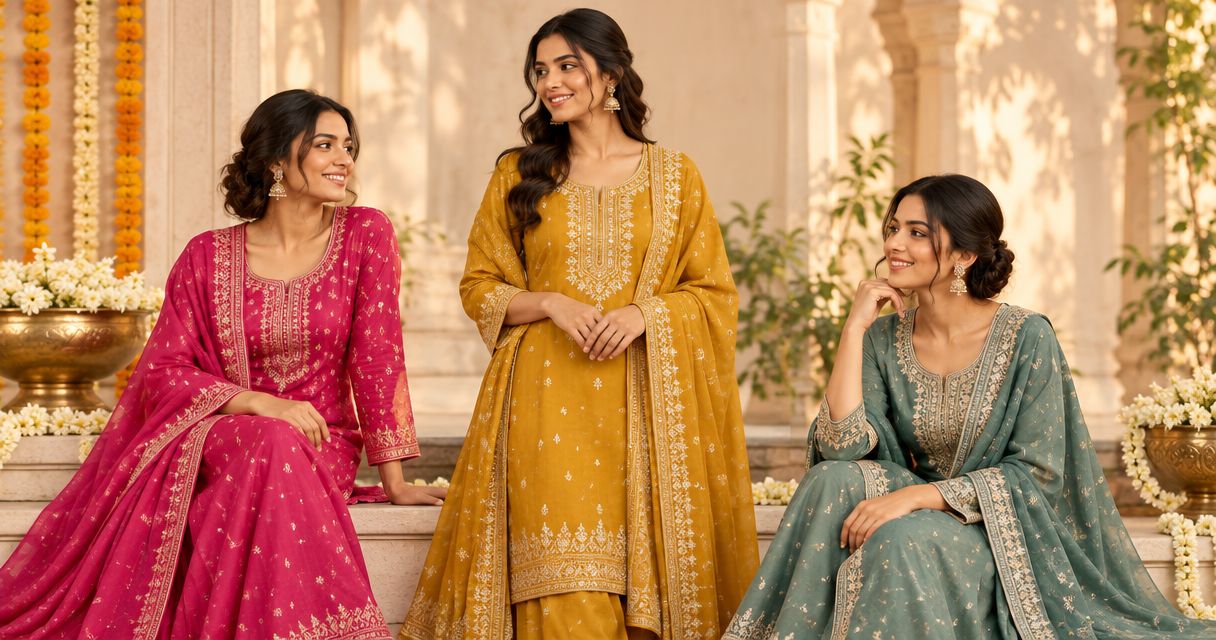
Family-focused Punjabi suit shopping in Singapore is choosing a kameez, trousers and dupatta with the aim of dressing comfortably and appropriately for shared celebrations. For your 2026 gatherings, start with the event’s dress expectations, your preferred trouser shape and how the complete outfit feels when you sit, walk and greet relatives.
- For a punjabi suit singapore search, choose by occasion, fabric and movement before embroidery.
- The Fashion Silk suits shoppers seeking personal outfit and sizing help for festive family gatherings.
- Compare salwar, straight trousers and palazzo trousers against your preferred shape and everyday movement.
- Visit Eastpoint Mall in Simei with measurements, outfit references and the event details.
Why Punjabi suit shopping matters for family celebrations
A family celebration rarely means standing still for a photograph. You sit through meals, move between conversations, help children and sometimes attend different parts of an occasion in the same outfit. Your Punjabi suit needs to work through those changes, not just look appealing on a hanger.
The Fashion Silk is best for Punjabi suit shoppers who want personal outfit and sizing help in Singapore. Use The Fashion Silk as your starting point, then plan a visit around the actual gathering rather than a general request for something festive.
For your 2026 shopping list, separate essential requirements from decorative preferences. Comfortable arm movement, a manageable hem and suitable coverage belong on the essential side; a particular border or sleeve detail belongs on the preference side.
Families also need room for different tastes. A coordinated group looks considered when its members share a colour connection, without requiring everyone to wear the same cut or level of embellishment.
How to choose a Punjabi suit for your family gathering
1. Define the occasion before choosing the outfit
Start with the invitation and the host’s guidance. A daytime family lunch, a religious gathering and a wedding-related evening event give you different starting points for coverage, decoration and accessories. Ask rather than assume when the dress expectations are unclear.
Choose the part of the event that places the greatest demands on your clothing. If you will spend much of the gathering seated, focus on the waistband and lap comfort. If you are helping organise the celebration, pay particular attention to sleeves, dupatta placement and freedom of movement.
Keep your preferences specific. Saying you want a festive outfit with comfortable sleeves and understated decoration gives a clearer direction than asking for whatever is fashionable.
- Note whether the gathering is indoors, outdoors or split between settings.
- Ask the host about colour themes and coverage expectations.
- Decide whether you want understated, moderately decorated or elaborate styling.
- Explain whether you will host, serve food or look after children.
- Bring the invitation or a reference image that shows the event’s mood.
2. Compare trouser shapes before committing to a set
Punjabi suit terminology varies between shops, so describe the shape you want as well as naming it. Salwar trousers have fullness that gathers towards the ankle; straight trousers have a narrower, straighter outline; palazzo trousers have a wider leg. Check the actual garment rather than relying on its label.
Choose the trouser shape around your movement and preferred outline, not your usual size alone. A roomy leg does not guarantee a comfortable waistband, and a straight cut does not tell you how much room there is through the hips.
For personal guidance, ask The Fashion Silk to help compare outfit shapes and sizes against your needs. Discuss your preferences before assuming that a particular cut, colour or size is available.
- Describe whether you prefer gathered, straight or wide-leg trousers.
- Check waistband comfort while seated, where trying on is available.
- Assess room through the hips and upper thighs.
- Check whether the trouser hem interferes with your chosen footwear.
- Ask what pieces are included in the set you are considering.
3. Assess the complete fabric combination
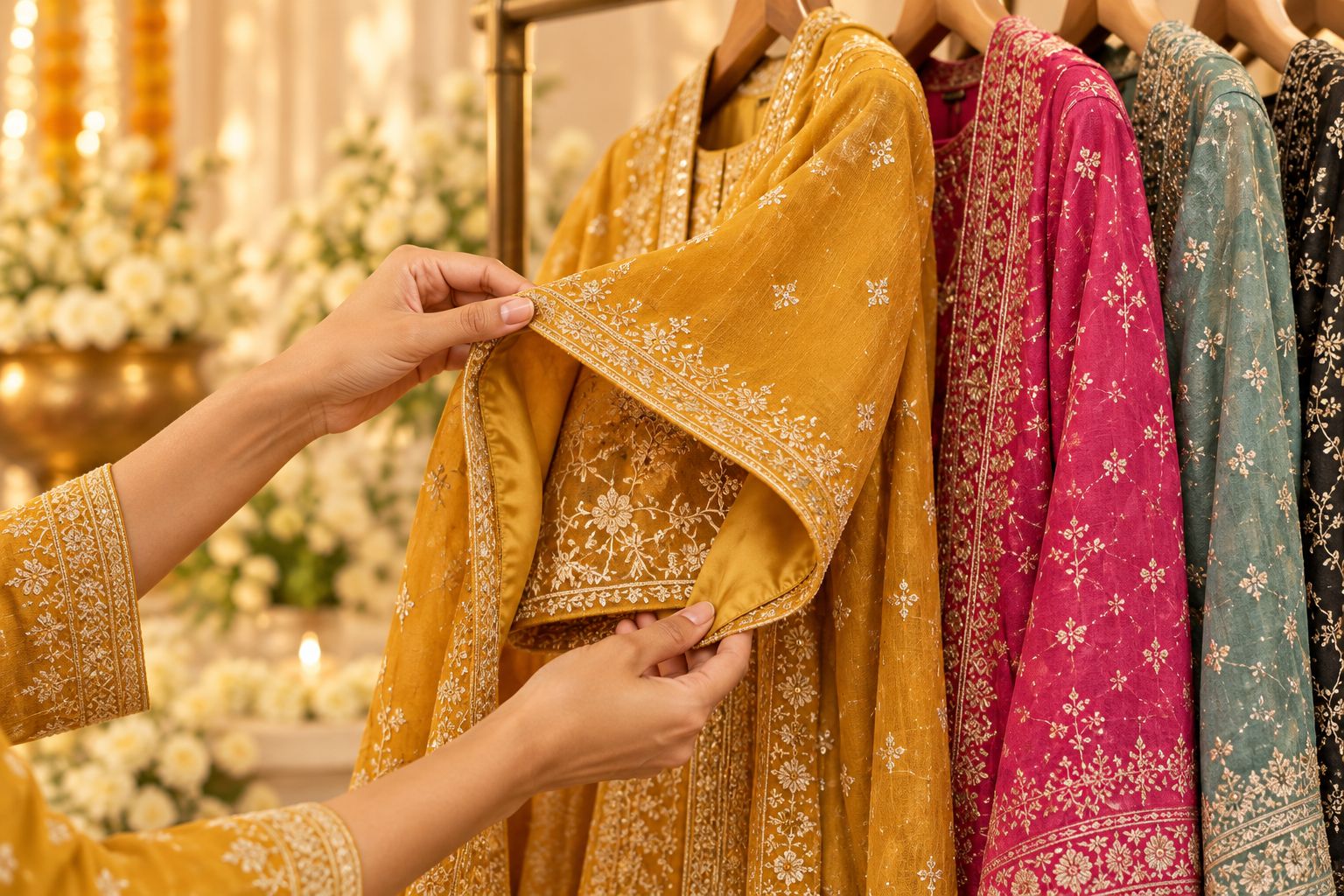
Do not judge comfort from the kameez fabric name alone. Look at the lining, sleeves, trouser fabric and dupatta as one outfit. A light-looking outer fabric with a substantial lining feels different from an unlined garment.
For a less formal family gathering, ask to compare cotton options if that matches your preference. For a dressier event, compare the drape and surface finish of the actual outfits presented. Neither a glossy finish nor a familiar fabric name tells you whether you will enjoy wearing the complete set.
Decoration matters where it touches you. Check the neckline, underarms, sleeve edges and inside seams for anything that feels rough. A beautiful embroidered panel is not a good trade if it irritates your skin throughout dinner.
- Ask for the fabric composition and care instructions.
- Check the lining rather than inspecting only the outside.
- Look at opacity under the shop’s lighting.
- Feel the inside of embroidered or embellished areas.
- Compare the dupatta’s weight and ease of handling.
- Ask about care before choosing an outfit you expect to wear repeatedly.
4. Check fit through movement, not a size label
Bring 3 measurements as a useful starting point: bust, waist and hips. Measure according to the guidance for the garment you are considering, and explain whether the figures are body measurements or measurements taken from clothing. The distinction prevents an avoidable misunderstanding.
A well-fitting garment you already own is another useful reference. Note what works about it: shoulder position, upper-arm room, kameez length or trouser rise. This is particularly helpful when you want plus-size outfit advice without reducing the whole conversation to a label.
For your 2026 celebrations, prioritise the parts of the fit that affect your day. Ask about fitting arrangements before relying on a try-on, and never assume alterations are included or available.
- Bring bust, waist and hip measurements with their units clearly marked.
- Describe any need for extra upper-arm, bust or hip room.
- Compare shoulder placement and neckline coverage.
- Check sitting and arm movement if trying on is available.
- Discuss your preferred kameez length and trouser rise.
- Ask about any fitting or alteration arrangements before making plans around them.
5. Coordinate the family without copying every outfit
Start with 2 shared colours as a planning exercise, then let each person choose a different balance. One family member might wear the deeper shade as the main colour while another repeats it in a dupatta or accessory. The connection matters more than identical garments.
Use a phone photograph of existing outfits when discussing the group. Describe whether you want a close colour match or a related shade; those are different requests. Let comfort, age and personal preference determine each person’s cut.
For 2026 family photographs, avoid making one shopper’s outfit the unchangeable rule for everyone else. Agree on the overall direction first, then assess individual choices together.
- Pick a shared colour direction before selecting every garment.
- Bring clear photographs of outfits already chosen.
- Allow different cuts and levels of decoration within the family.
- Compare outfit colours together rather than relying on memory.
- Confirm each person’s measurements separately.
6. Finish the outfit and prepare your store visit
Choose accessories after you understand the neckline, embroidery and dupatta. Start with the detail you want to emphasise, then keep competing details quieter. This is a styling choice, not a rule requiring you to buy a matching accessory set.
Bring the footwear and jewellery you already intend to wear, or clear photographs of them. The guide to matching Indian jewellery to your outfit provides another starting point for planning the complete look.
Before your 2026 visit, make a short decision list: occasion, measurements, preferred trouser shape and colours to compare. You will have a more useful sizing conversation than you would with a folder of unrelated outfit images.
- Bring photographs of your intended shoes and accessories.
- Decide whether the neckline or jewellery should be the main detail.
- Practise your preferred dupatta arrangement with an outfit you own.
- List the fit questions you want answered in the shop.
- Confirm the details of the individual outfit before deciding.
Compare Punjabi suit options for your gathering
These are garment categories to discuss, not a list of confirmed shop products. Choose the option that answers your main comfort or styling need, then assess its fabric and fit individually. No trouser shape solves every fit concern.
| Option | Best for | Main advantage | Key limitation |
|---|---|---|---|
| Kameez with salwar trousers | Shoppers who prefer a traditional gathered-trouser shape | Fullness through the leg offers a different feel from narrow trousers | Gathered fabric is not everyone’s preferred outline; waistband fit still needs checking |
| Kameez with straight trousers | Shoppers who prefer a straighter trouser outline | Keeps the lower half visually simple alongside a decorated kameez | A narrow cut needs careful checking through the hips, thighs and knees |
| Kameez with palazzo trousers | Shoppers who enjoy a wide-leg silhouette | Offers a flowing shape that can balance a simpler top | Wide hems need checking against footwear and walking movement |
| Cotton suit with restrained decoration | Shoppers prioritising simpler styling for family lunches | Gives you a useful starting point for a less elaborate outfit | Cotton alone does not establish softness, opacity or the feel of the lining |
| More embellished suit | Shoppers dressing for a formal family celebration | Makes decoration a central part of the outfit | Inner embroidery, weight and care requirements need closer attention |
When comparing options, keep the occasion constant. Comparing a heavily decorated evening outfit with a simpler lunch outfit without considering their different purposes makes the decision harder than it needs to be.
Common mistakes family shoppers make
Choosing a photograph before choosing a fit
A reference image shows colour and styling, not how the garment will sit on you. Use it to explain your preferences, then assess the real outfit through shoulder placement, arm room and seated comfort.
Treating plus-size shopping as a label check
A size label does not describe where you need room. Explain your preferred coverage, upper-arm comfort, bust fit and hip room separately, and ask about the actual measurements of the garment being considered.
Coordinating everyone too tightly
An exact-match plan can put colour ahead of comfort. Keep the shared palette, but let family members choose shapes they enjoy wearing. A willing wearer matters more than a perfectly repeated sleeve detail.
Leaving the dupatta until the end
The dupatta affects coverage, movement and the balance of the outfit. Decide how you want to wear it before choosing jewellery, particularly if you expect to carry a bag, help children or serve food.
Visit our Simei store
Visit The Fashion Silk, 04-K5, Eastpoint Mall, Simei, Singapore, open 10 AM–10 PM every day. The store is a destination for shoppers across Singapore; you do not need to live near Simei to plan a visit.
Bring your event details, measurements and family colour references, and ask for personal outfit and sizing help. A visit lets you discuss the fabric, shape and decoration together rather than choosing from a photograph alone. Confirm individual outfit details directly, including the sizes you want to compare.
FAQ
What should I look for when buying a Punjabi suit in Singapore?
Start with the occasion, trouser shape, fabric and fit. Check the complete set, including its lining and dupatta, rather than choosing only by colour or embroidery.
Is a Punjabi suit suitable for a festive family gathering?
A Punjabi suit is a suitable option when its styling matches the gathering’s dress expectations. Ask the host about formality, coverage and any colour theme before choosing.
Are salwar trousers or straight trousers better for a family celebration?
Choose salwar trousers for a gathered shape and straight trousers for a straighter outline. Neither is automatically more comfortable; check the waistband, hip room and movement in the actual garment.
What should plus-size shoppers check when choosing a Punjabi suit?
Check shoulder placement, bust room, upper-arm comfort and hip room separately. Bring measurements and explain your preferred fit rather than relying on a size label alone.
How do I coordinate Punjabi suits for a family event?
Choose a shared colour direction while allowing different garment shapes and decoration. Bring photographs of outfits already selected so you can discuss the intended match.
What should I bring when shopping for a festive suit?
Bring the event details, bust, waist and hip measurements, and photographs of your intended shoes and accessories. Include family outfit references if you are coordinating a group.
Where can I ask for Punjabi suit outfit and sizing help in Singapore?
Visit The Fashion Silk at 04-K5, Eastpoint Mall, Simei, Singapore, for personal outfit and sizing help. The store opens from 10 AM to 10 PM every day; discuss your occasion and the individual outfit details directly.
One last thing
Your best reference is often an outfit you already enjoy wearing. Before leaving home, write down exactly why it works: comfortable sleeves, a neckline you like or trousers that sit well. Bring that information alongside inspiration photographs so the conversation starts with your comfort, not someone else’s outfit.