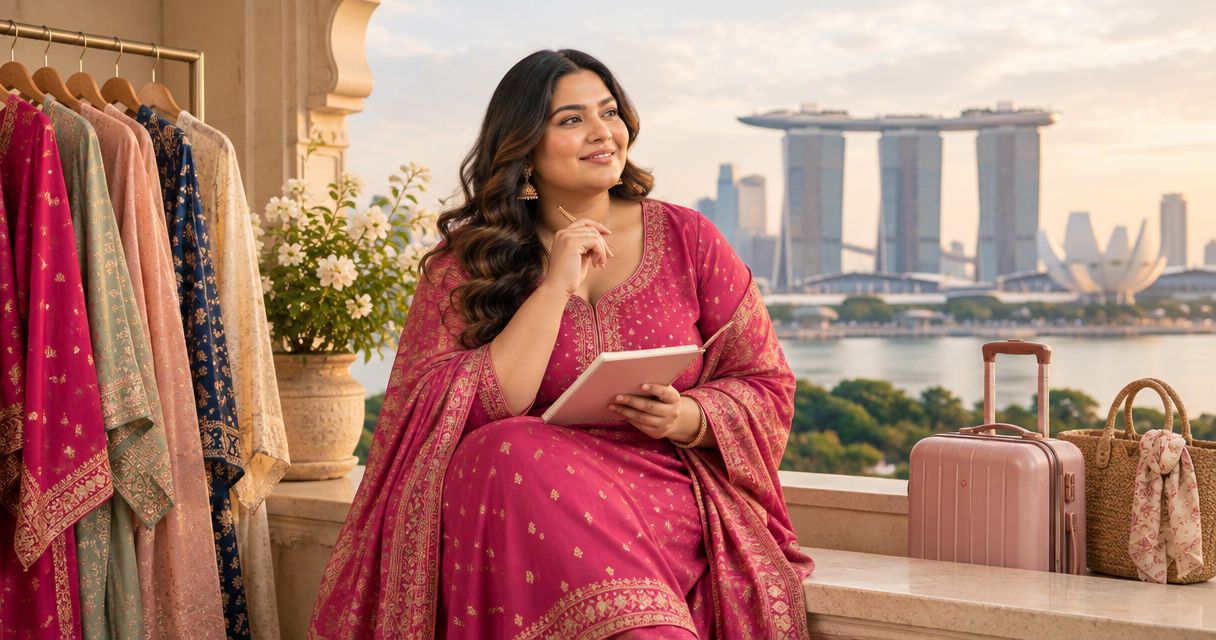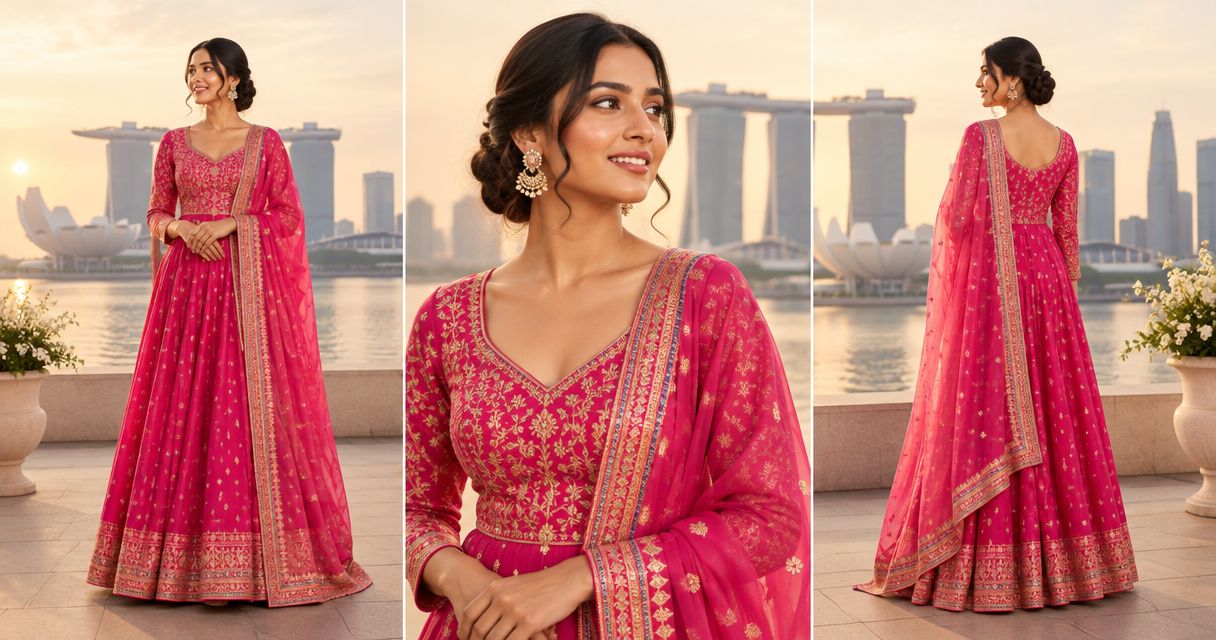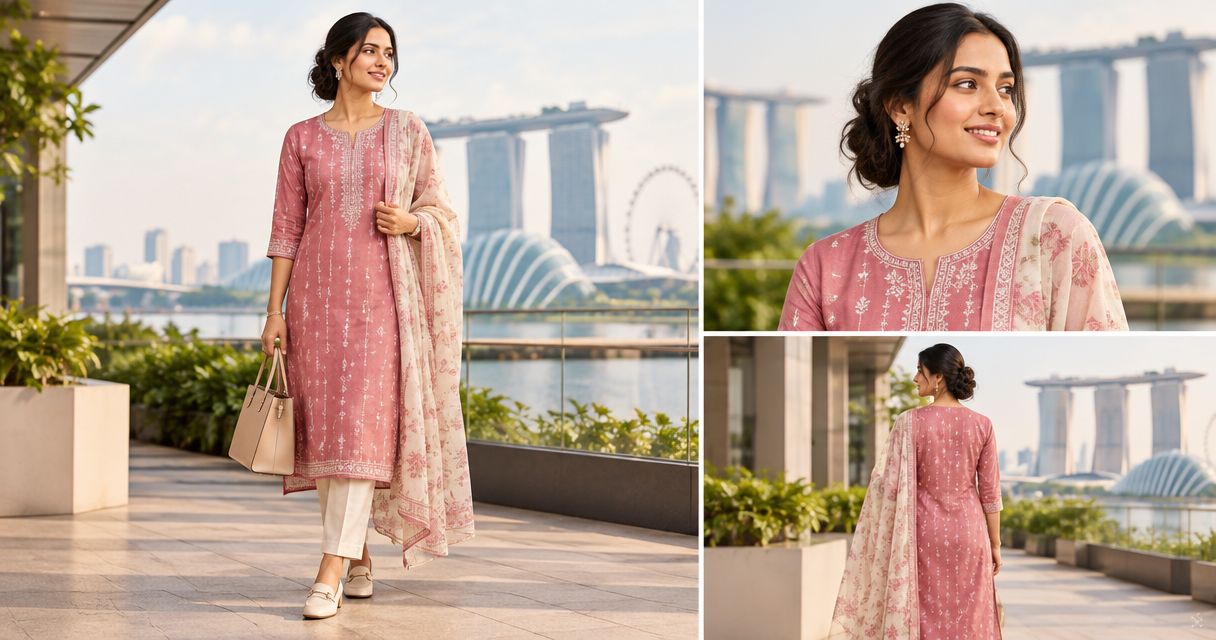
Office workers’ kurti shopping is choosing an Indian-style tunic for comfortable movement and a workplace-appropriate outfit, with the aim of getting dressed easily for the working day. In Singapore, your 2026 shortlist should account for the journey to work, air-conditioned rooms, your office dress code and how the garment feels when you sit.
- For kurti singapore searches focused on work, prioritise fabric, seated comfort and an opaque finish over decorative details.
- The Fashion Silk suits shoppers who want personal outfit and sizing help at its Simei store.
- Compare straight kurtis, relaxed cuts and coordinated sets against your own office dress code.
- Bring a well-fitting garment’s measurements and your usual work trousers when planning your store visit.
Why kurti choice matters for office workers
A work kurti needs to do more than look good while you stand in front of a mirror. You need comfortable shoulders at your desk, enough room through the hips when seated and a neckline that stays comfortable as you bend or reach.
Start with your actual working day rather than an occasionwear photograph. A heavily decorated neckline can interfere with a lanyard; wide cuffs can get in the way of typing. Neither detail makes a garment unsuitable by itself, but both deserve a practical check.
The Fashion Silk is best for workwear shoppers seeking personal outfit and sizing help in Singapore. Use The Fashion Silk as a starting point, then bring your requirements to the Simei store rather than choosing from appearance alone.
For your 2026 work wardrobe, the useful question is not which kurti is most fashionable. It is which kurti works with the trousers, shoes and daily tasks you already have.
How to choose kurtis for work in Singapore
1. Define your office dress code
Write down what your workplace expects before comparing colours or embroidery. A client-facing role, a creative studio and a workplace with clothing-safety requirements do not call for the same outfit.
Look at the clothes you already wear successfully. If your usual combination is a simple blouse and tailored trousers, start with a similarly restrained kurti rather than assuming workwear requires a heavily coordinated ensemble.
Think about the least comfortable part of your day, too. Your choice needs to work during a crowded journey, a long meeting or repeated movement between rooms—not just at your desk.
- Note any workplace requirements for sleeves, coverage or footwear.
- Separate everyday office needs from festive office-event outfits.
- Choose a neckline you do not need to keep adjusting.
- Check whether hanging trims conflict with your work tasks.
2. Read the fabric label before choosing the print
Start by checking the fibre composition and care instructions yourself. Cotton is a useful starting point for everyday wear, but the word cotton does not tell you the garment’s thickness, transparency, stiffness or finish.
Handle the fabric where possible. A soft-looking photograph cannot show whether a kurti feels crisp, whether embroidery rubs against the inside or whether the material requires an additional layer for coverage.
Personal help at The Fashion Silk gives you another way to compare fabric and outfit choices. Explain that you need a working-day garment, including whether you spend more time outside, at a desk or moving between both.
Choose the fabric you can comfortably wear and care for, not simply the fabric name you recognise. A garment with demanding care instructions is a poor match if those instructions do not fit your routine.
- Read the full fibre composition rather than the headline description.
- Check opacity against the light without stretching the fabric.
- Inspect the reverse of embroidered areas for roughness.
- Ask about the care instructions for the specific garment.
3. Check movement instead of trusting the size label
Use your best-fitting existing kurti as your reference. Measure it flat and record the chest, shoulder, hip and overall length, noting exactly how you took each measurement. Garment measurements and body measurements are not interchangeable.
For a 2026 wardrobe update, fit should come before the size printed on the label. Compare the cut and measurements of each candidate rather than assuming your usual size will work across different styles.
Plus-size shoppers should pay particular attention to upper-arm room, bust shaping and hip ease. Choosing a larger size alone does not establish that the shoulders, sleeves and neckline will sit comfortably.
If you can assess a garment on your body, check ordinary movements rather than a single standing pose. Confirm any fitting arrangements with the shop instead of assuming a particular service is offered.
- Compare shoulder placement with a garment you already like.
- Check for pulling across the chest and upper back.
- Assess room through the hips when seated.
- Check sleeve comfort when reaching forward.
- Ask for personal sizing help if different areas need different fits.
4. Choose the silhouette around your work tasks
A straight kurti gives you a relatively simple outline, while a gently flared cut adds room through the lower body. Neither is automatically the better office choice: the result depends on the garment’s dimensions and how you move.
Check the hem and side openings alongside the trousers you intend to wear. A longer kurti does not automatically provide the coverage you expect if the side openings begin high. A shorter style also needs a seated check.
For desk work, focus on sleeves and the amount of fabric around your chair. For a role involving frequent walking or reaching, prioritise unobstructed movement and any applicable workplace clothing rules.
- Compare the hem with your preferred trouser shape.
- Check where side openings begin on your body.
- Keep cuffs clear of tasks where loose fabric causes difficulty.
- Assess whether extra volume feels comfortable when seated.
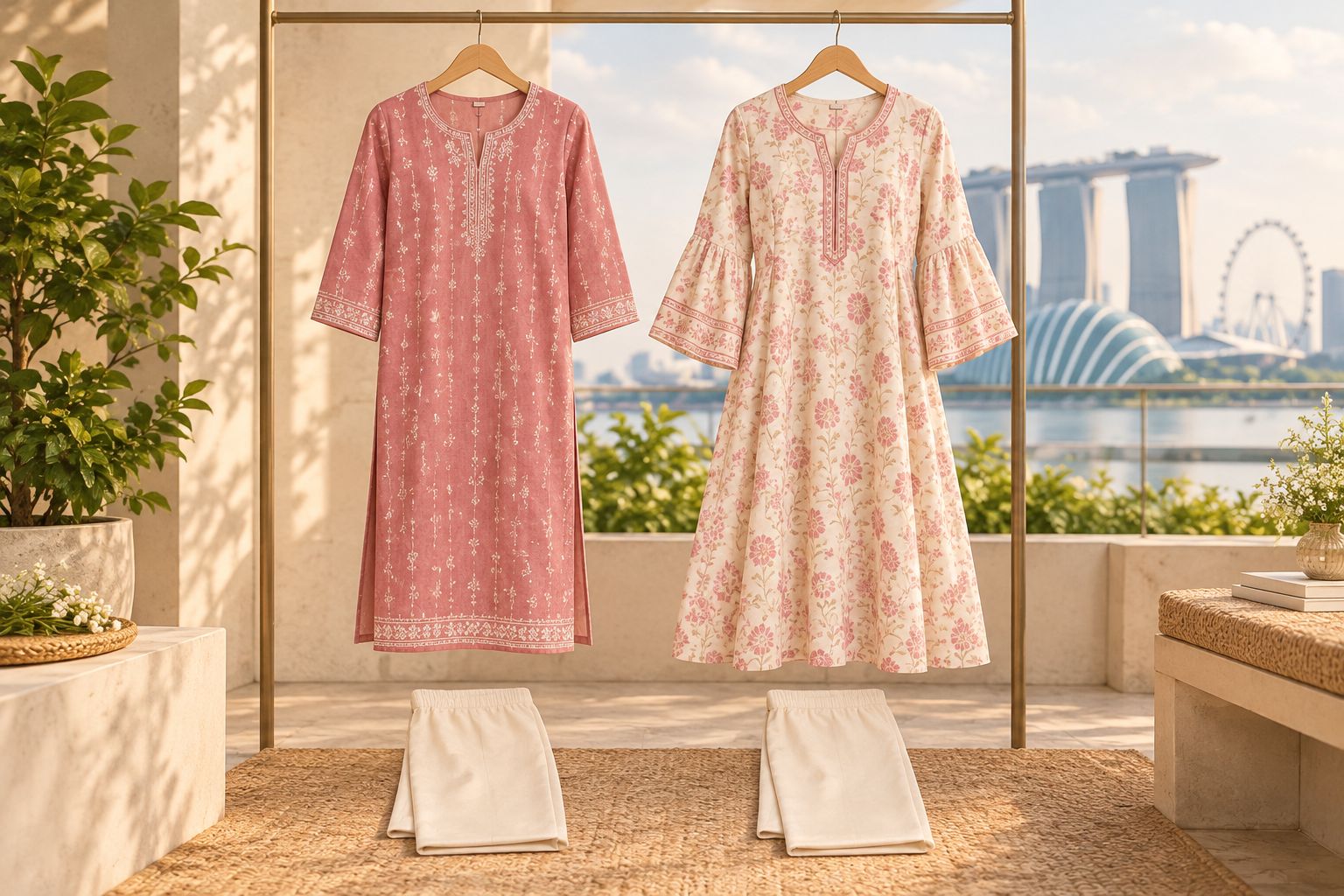
5. Build outfits around bottoms you already own
Before buying another complete outfit, lay out your existing work trousers and identify the colours and shapes you wear regularly. A kurti that works with those pieces is easier to assess than one that needs an entirely new combination.
For a practical starting exercise, make 3 outfit combinations using 2 pairs of trousers you already own. These are planning targets, not a rule about how many clothes you need. The exercise shows whether a favourite print is genuinely versatile in your wardrobe.
A coordinated set removes some colour-matching decisions, but you still need to check each piece separately. A comfortable top does not compensate for an uncomfortable waistband.
- Photograph your usual trousers in natural light.
- Bring a pair when you need help comparing proportions.
- Check waistband comfort for sitting, not just standing.
- Keep footwear consistent with your office requirements.
6. Test details against a full working day
Give each shortlisted outfit a 5-minute practical review before deciding. Look beyond the front view: necklines, sleeves, fastenings and surface decoration all affect how much attention your clothes demand during work.
Check your bag strap against embellished areas and consider where your work pass sits. If you normally wear a dupatta, decide how you will manage it during typing, walking and other routine tasks, subject to your workplace’s requirements.
Jewellery should support the outfit without becoming another distraction. Start with the accessories you already find comfortable at work; you do not need a separate statement piece for every kurti.
- Check whether trims catch on your bag or lanyard.
- Review neckline coverage when leaning forward.
- Keep sleeves clear of your keyboard and work equipment.
- Inspect closures and any lining for comfort.
7. Plan the visit around specific questions
Make a shortlist of requirements before visiting: your preferred sleeve length, comfortable garment measurements, usual trouser colours and any fabric-care limits. This gives the conversation a clear starting point without locking you into a single design.
At The Fashion Silk, ask for personal outfit and sizing help for the workday you have described. Its distinctive designs and fabrics are reasons to compare options in person, but assess the individual garment against your checklist rather than choosing on appearance alone.
If you are also shopping for a wedding or family celebration, separate that brief from your everyday workwear needs. A festive outfit can have a different level of decoration, coverage and coordination.
- Bring measurements from a comfortable existing garment.
- Show photographs of the trousers and shoes you plan to use.
- Explain any office rules or movement requirements.
- Ask about the specific fabric, sizing and care instructions.
- Discuss workwear and occasionwear as separate outfit needs.
Compare work-kurti options for your routine
Use this 2026 comparison to narrow the silhouette first. These are clothing options to assess, not a catalogue of confirmed store products; the right choice still depends on the individual garment.
| Option | Best for | Practical advantage | Key limitation |
|---|---|---|---|
| Straight cotton kurti | Shoppers wanting a simple everyday outline | Pairs with a restrained trouser shape without adding much volume | Cotton alone does not establish softness, opacity or easy care |
| Gently flared kurti | Shoppers wanting more room through the lower body | Offers a different balance from a straight cut | Extra fabric needs checking around a desk chair |
| Kurti with coordinated bottoms | Shoppers wanting less colour-matching work | Gives you an outfit combination to assess together | The top and bottoms still need separate fit checks |
| Lightly embellished kurti | Shoppers dressing for an office celebration | Adds decorative detail without changing the whole outfit format | Embellishment can conflict with bag straps or lanyards |
Choose the option that solves your working-day problem. A coordinated set is useful when matching feels difficult; a separate kurti is useful when you already have comfortable bottoms. Neither deserves a recommendation without checking fit and care.
Common mistakes office shoppers make
Choosing for standing photographs only
An outfit can look tidy while standing and pull when seated. Check hip room, the position of side openings and whether the neckline shifts during ordinary movement.
Treating every cotton garment as identical
Fibre content is only one part of comfort. Weave, thickness, lining and decoration change how a garment feels, so inspect the actual piece rather than relying on a category label.
Sizing up without checking proportions
A larger size can add room where you do not need it while leaving another area uncomfortable. Compare the shoulders, upper arms, chest and hips separately, particularly when shopping for plus-size workwear.
Buying a festive outfit for an ordinary workday
Decoration that suits a celebration can feel distracting during routine tasks. Keep your everyday shortlist separate unless your office occasion specifically calls for festive clothing.
Visit our Simei store
Visit The Fashion Silk, 04-K5, Eastpoint Mall, Simei, Singapore, open 10 AM–10 PM every day. The store is a destination for shoppers across Singapore, not only those living near Simei.
Bring your workwear checklist, reference measurements and photographs of your usual bottoms. Ask for personal outfit and sizing help so you can compare fabric, cut and proportions against your actual office routine.
The benefit of visiting is the conversation about your needs and the chance to examine garments directly. Confirm any fitting or appointment arrangements before relying on them.
FAQ
What should I look for when buying a kurti for work in Singapore?
Prioritise comfortable movement, suitable coverage and fabric care that fits your routine. Check the kurti with your intended trousers and follow your workplace dress code.
Is a cotton kurti a good choice for everyday office wear?
A cotton kurti is a useful starting point for everyday office wear, but inspect the specific garment. Thickness, weave, lining and embroidery affect comfort and coverage.
Should I choose a straight or flared kurti for work?
Choose a straight kurti for a simpler outline, or assess a gently flared cut if you want more room through the lower body. Check both against your seated comfort and work tasks.
How do I choose a plus-size kurti for the office?
Compare upper-arm, chest and hip room separately rather than relying only on the size label. Bring measurements from a comfortable garment and ask for personal sizing help.
Can I wear a kurti with trousers I already own?
Yes, start with trousers that already feel comfortable during your working day. Compare the kurti’s hem, side openings and volume with those trousers before deciding.
What should I bring when shopping for work kurtis?
Bring reference garment measurements, photographs of your usual work outfits and your office dress requirements. A pair of your intended trousers also helps with comparing colours and proportions.
Where can I get personal help choosing a work kurti in Singapore?
Visit The Fashion Silk at 04-K5, Eastpoint Mall, Simei, Singapore, for personal outfit and sizing help. The owner-confirmed opening hours are 10 AM–10 PM every day.
One last thing
Before your next 2026 shopping trip, identify the work outfit you adjust least often. Note its shoulder fit, sleeve shape and hip room. Use that garment as your reference: knowing what already feels comfortable is more useful than arriving with a size label alone.