Best overall for festive dressing: a saree. Best for repeat wear: a cotton kurti. Best for fit-led shopping: a plus-size suit. This 2026 guide to Indian outfits in Singapore compares choices for celebrations, weddings and everyday wear, with practical checks before visiting The Fashion Silk.
- For indian outfits singapore searches, start with the occasion: festive sarees, wedding lehengas or everyday cotton kurtis.
- The Fashion Silk suits Singapore shoppers seeking Indian outfits with personal outfit and sizing help.
- Choose plus-size suits by garment measurements and movement, not the size label alone.
- Visit the Simei store with your invitation, measurements and outfit references before choosing.
Why this matters
The best Indian outfit is the one that fits your occasion and feels comfortable throughout it. A heavily embellished lehenga and a cotton kurti solve different shopping needs; neither wins every comparison.
For Singapore's 2026 festive season, start with the invitation, expected activities and your comfort with draping. Then compare fabric, fit and finishing. That order keeps an attractive outfit from becoming an impractical purchase.
The Fashion Silk is a useful choice for Singapore shoppers seeking Indian outfits with personal outfit and sizing help. Use that help to compare actual garments rather than choosing from a photograph alone.
What makes the best Indian outfit?
Judge each option against these criteria before deciding:
- Occasion match: Choose the level of decoration around the event's dress expectations and your role in it.
- Fabric feel: Check the fabric against your skin, including any lining, embroidery backing or decorated edges.
- Movement: Consider sitting, walking, raising your arms and managing a dupatta or pallu.
- Garment fit: Compare the shoulders, bust, waist, hips and length rather than relying on the size label.
- Repeat wear: Decide whether you want an occasion-specific look or separates you can wear differently later.
- Outfit completeness: Check which pieces belong to the outfit and what you still need to coordinate.
For your 2026 shopping shortlist, separate essential requirements from preferences. A comfortable waistband is essential; a particular shade of gold is a preference unless your event specifies it.
Indian outfits at a glance
These rankings follow shopper needs, not a claim that one garment suits everyone. Read across to identify the trade-off you are willing to make.
| Rank and outfit | Best for | Standout feature | Key limitation |
|---|---|---|---|
| 1. Festive saree | Traditional celebrations | Draping and blouse choices shape the finished look | Requires planning around the drape and blouse |
| 2. Cotton kurti | Repeat wear and casual gatherings | Works with different bottoms and accessories | A simple design can feel too casual for a formal event |
| 3. Lehenga | Wedding celebrations | Separate skirt, top and dupatta create a dressed-up outfit | Skirt weight and waistband comfort need attention |
| 4. Plus-size suit | Fit-led festive shopping | Separate garment measurements guide selection | The label alone does not establish fit |
| 5. Cotton saree | Everyday traditional dressing | Fabric and drape provide an alternative to embellished occasion wear | Cotton can crease and needs draping |
| 6. Coordinated family outfits | Shared occasion dressing | A common colour or detail connects different garments | Each person's fit still needs separate attention |
1. Festive saree: best for traditional celebrations
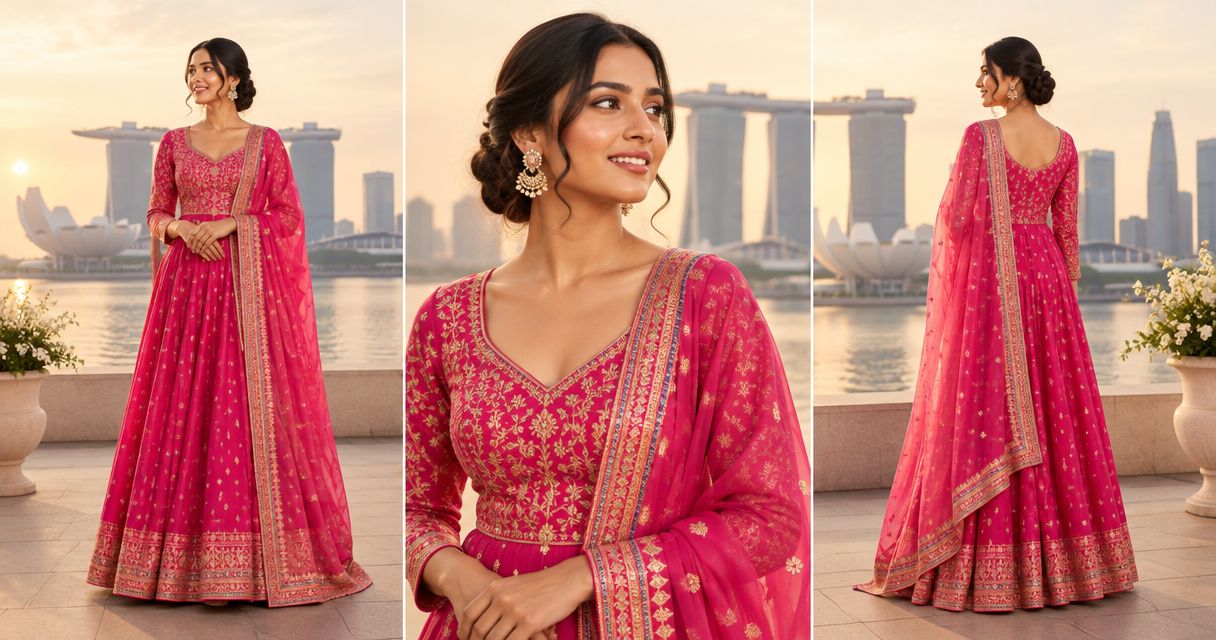
A festive saree is the default recommendation when you want traditional occasion dressing without committing to a skirt-and-top outfit. Its finished appearance depends on the fabric, border, blouse and drape, so compare those elements together.
For a 2026 festive gathering, decide whether you want the saree or jewellery to be the main detail. A decorated border paired with equally prominent accessories creates a different effect from a simpler saree with a statement necklace.
Festive saree pros:
- Blouse and accessory choices let you adjust the overall look.
- Different drapes change how the border and pallu appear.
- You can plan separate combinations for later occasions.
Festive saree cons:
- Draping takes preparation, especially if you rarely wear sarees.
- An uncomfortable blouse can undermine an otherwise suitable choice.
Best for: Shoppers attending traditional celebrations who are comfortable planning the blouse and drape.
Before choosing, discuss blouse requirements and examine how the fabric folds. Do not assume that a blouse piece means a finished blouse is included, or that stitching and alterations are provided.
Verdict: Buy a festive saree if traditional styling matters more than getting dressed with minimal preparation.
2. Cotton kurti: best for repeat wear
A cotton kurti is the strongest starting point when you want an outfit for casual gatherings and everyday use. Choose the cut around the bottoms you intend to wear rather than treating the kurti as a complete outfit by itself.
Pay particular attention to shoulder placement, armhole comfort and side slits. A kurti can look loose through the body yet still feel restrictive across the upper arms.
Cotton kurti pros:
- Works with different trousers or other suitable bottoms.
- Lets you adjust the look through jewellery and a dupatta.
- Offers a straightforward option when you do not want a draped garment.
Cotton kurti cons:
- Plain designs are not automatically suitable for formal celebrations.
- Cotton can crease, and care requirements vary by garment.
Best for: Shoppers who want repeat wear beyond the festive calendar.
For 2026 purchases, think about your existing wardrobe before selecting another colour. Check whether the neckline works with your preferred accessories and whether the length feels right with your usual bottoms.
Verdict: Buy a cotton kurti if everyday usefulness is your main priority; skip it as your only formal-event option unless the dress code suits it.
3. Lehenga: best for wedding celebrations
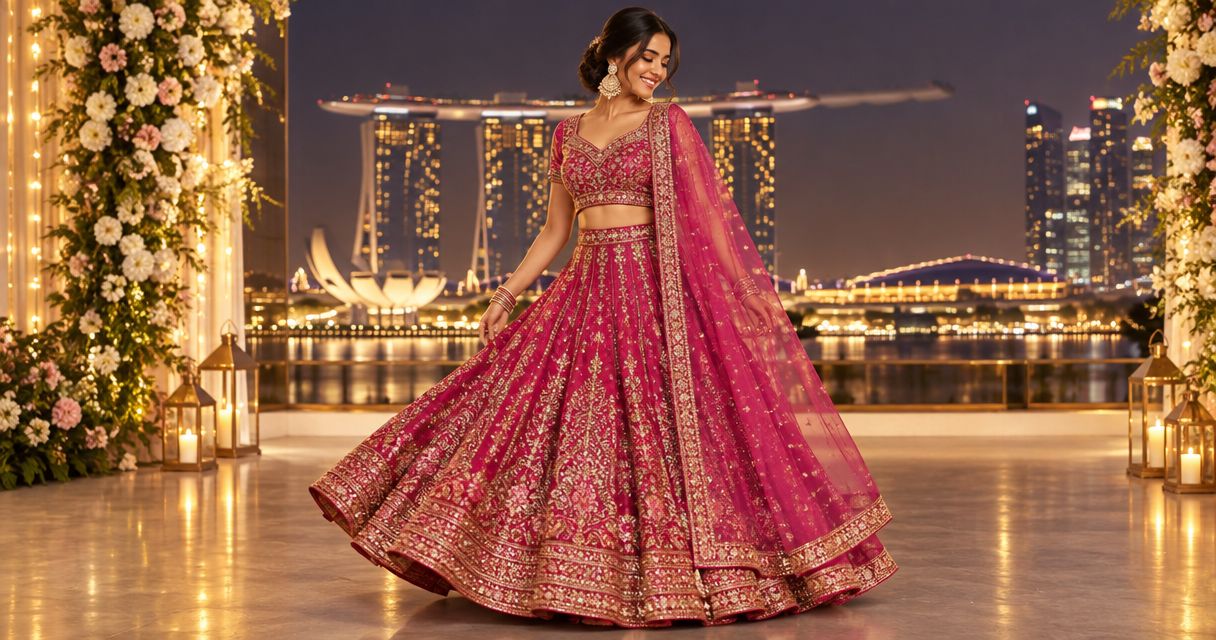
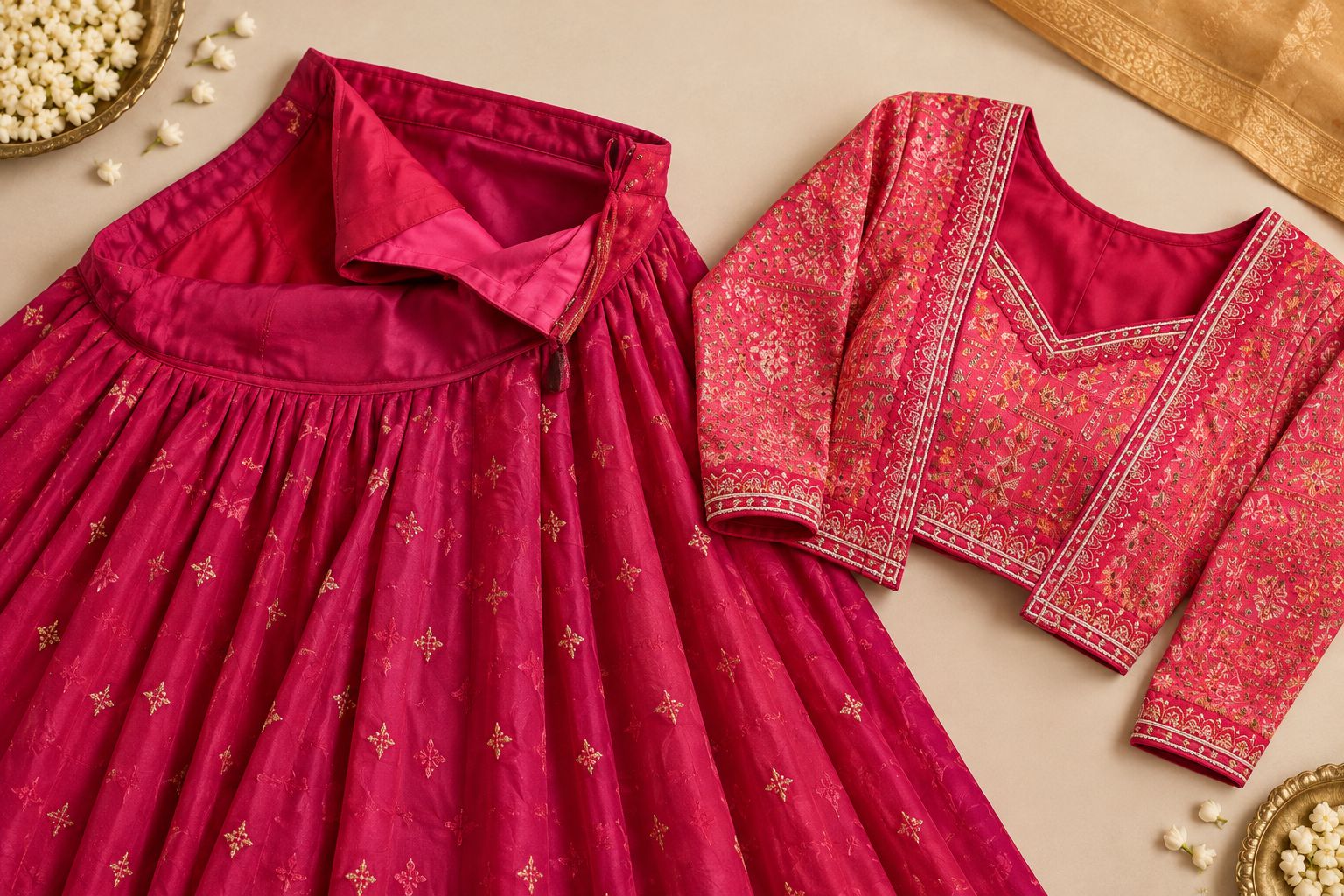
A lehenga combines a skirt with a top and usually a dupatta, although you should confirm the pieces included in any particular outfit. Choose it when you want a clearly dressed-up silhouette and prefer separates to a saree drape.
The skirt deserves as much attention as the decoration. Inspect the waistband, lining and hem, then discuss how the length works with your intended footwear.
Lehenga pros:
- Creates a distinct occasion outfit through separate pieces.
- Gives you scope to balance a decorated skirt with a simpler top.
- Allows different dupatta placements to change the styling.
Lehenga cons:
- Heavy embellishment can make the outfit cumbersome.
- Waistband pressure and excess length can interfere with movement.
Best for: Wedding guests and family members seeking a skirt-based celebration outfit.
A photograph cannot tell you whether embroidery feels rough against your arm or whether the skirt feels manageable. Handle the fabric in person and ask for sizing guidance before deciding.
Verdict: Buy a lehenga if you want a wedding-focused outfit and are comfortable with its skirt weight and fit.
4. Plus-size suit: best for fit-led festive shopping
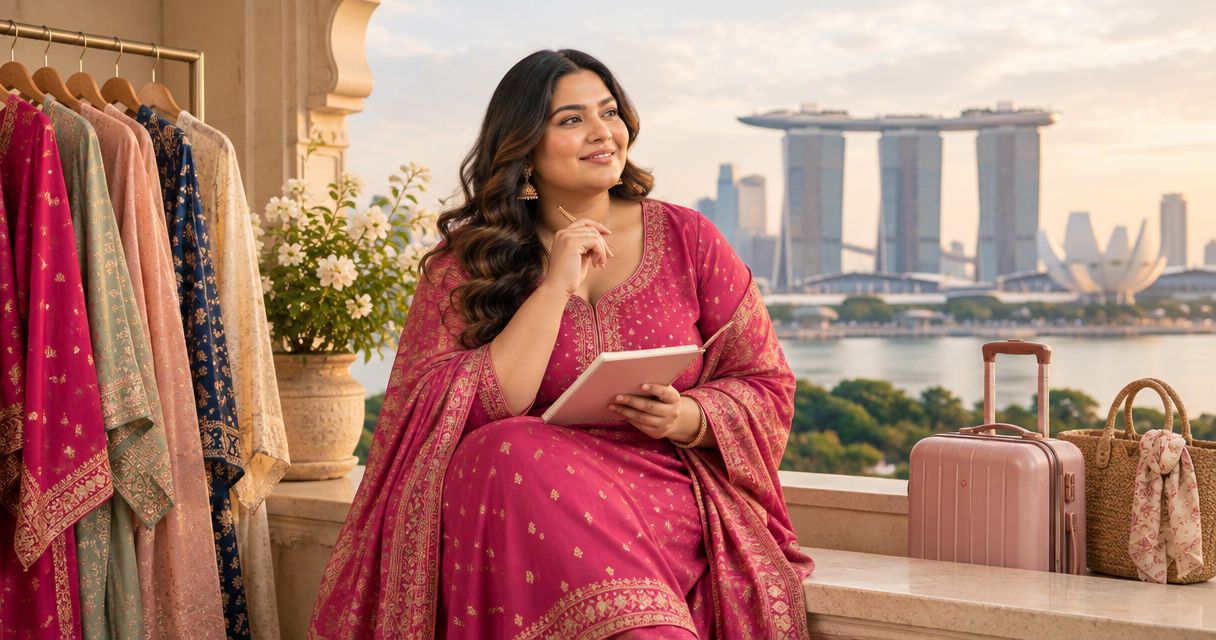
A plus-size suit is a useful starting category when your priority is finding comfortable proportions across the top and bottoms. The term does not guarantee a particular cut, so compare the actual garment with your measurements.
The Fashion Silk offers personal outfit and sizing help. Bring your measurements and describe where previous suits have felt tight, pulled or restricted movement.
Plus-size suit pros:
- Separate top and bottom measurements make fit discussions more specific.
- Different cuts offer alternatives to a close-fitting silhouette.
- A dupatta gives another way to balance the finished outfit.
Plus-size suit cons:
- Size labels do not replace garment measurements.
- A generous body fit does not guarantee comfortable sleeves or armholes.
Best for: Shoppers who want fit to lead the selection rather than choosing a design first.
Discuss shoulders, bust, upper arms, hips and garment length. Do not assume that choosing a larger label fixes every fit issue: it can change proportions elsewhere without solving the original problem.
Verdict: Buy a plus-size suit when the actual garment suits your measurements; skip any option that requires you to ignore discomfort.
5. Cotton saree: best for everyday traditional dressing
A cotton saree suits shoppers who enjoy wearing a saree outside major celebrations. Start with the feel and handling of the fabric, then consider the colour and border.
Cotton sarees do not all behave alike. Weave, thickness and finishing affect the drape, so compare actual pieces instead of assuming every cotton option will feel equally soft or light.
Cotton saree pros:
- Offers traditional dressing without requiring heavy embellishment.
- Works with different blouse and accessory combinations.
- Gives regular saree wearers another option for everyday outfits.
Cotton saree cons:
- Creasing requires attention if you prefer a crisp appearance.
- Draping remains part of the dressing process.
Best for: Regular saree wearers seeking everyday options rather than a special-occasion statement.
Check the care label and ask about the fabric when choosing. Do not treat a product name or a soft feel as proof of fibre composition.
Verdict: Buy a cotton saree if you enjoy everyday draping and accept the garment's care requirements.
6. Coordinated family outfits: best for shared celebrations
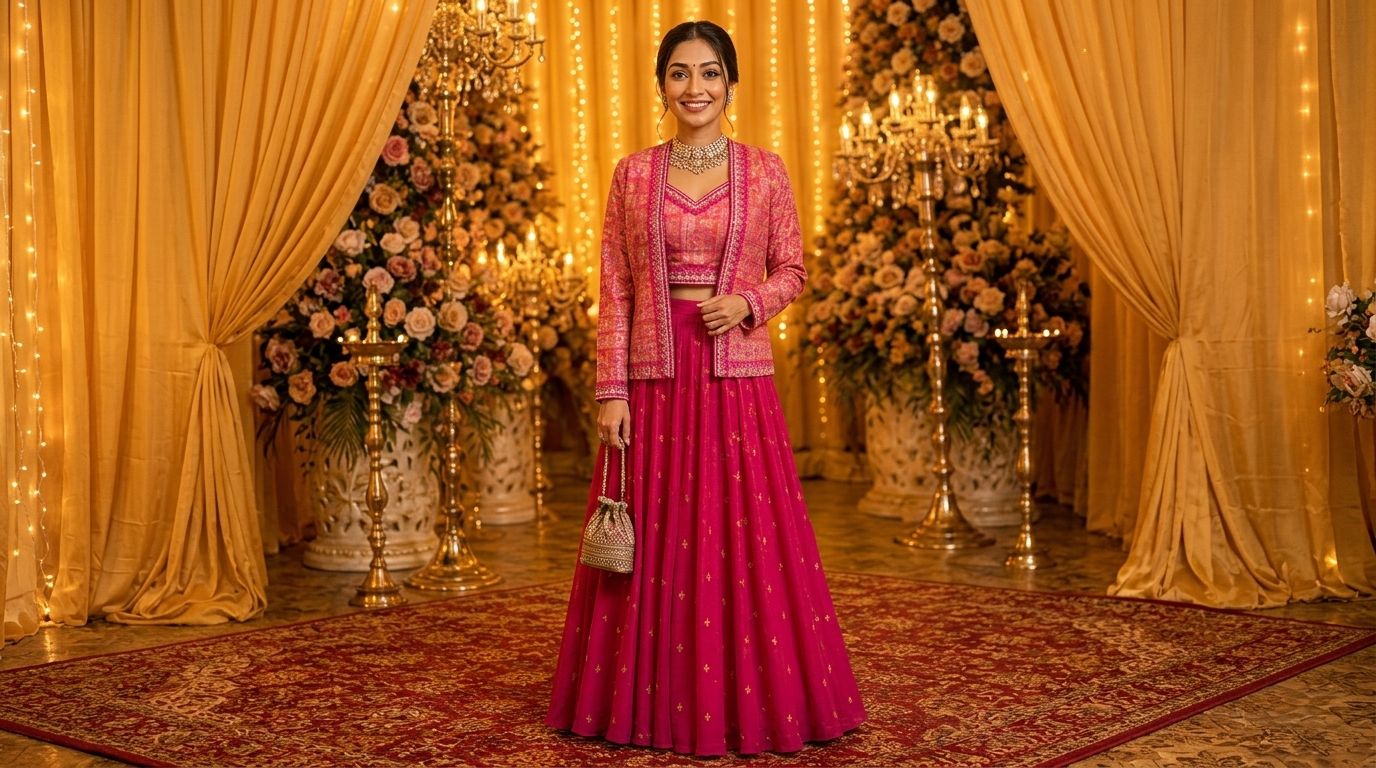
Coordinated family outfits use a shared colour, border detail or level of formality without requiring everyone to wear identical clothing. Start with each person's preferred garment, then choose the connecting detail.
This is a styling approach, not a single outfit type. One family member can prefer a saree while another chooses a suit, provided the overall choices suit the occasion.
Coordinated family outfit pros:
- Preserves individual garment preferences.
- Connects different outfits through a clear visual theme.
- Lets each person choose an appropriate level of decoration.
Coordinated family outfit cons:
- Similar colour names do not guarantee matching shades.
- Each person still needs a separate fit and comfort check.
Best for: Families planning shared festive or wedding outfits.
Bring photographs of garments already chosen and discuss each person's requirements. Avoid purchasing an uncomfortable outfit simply because it matches someone else's clothing.
Verdict: Buy coordinated family outfits around a shared detail, not at the expense of individual fit.
How these outfit choices are ranked
The ranking prioritises occasion match, fabric feel, movement, garment fit, repeat wear and outfit completeness. It compares garment categories rather than claiming that specific products have been tested.
For 2026 festive shopping, the saree takes the default position for traditional dressing. The cotton kurti leads on repeat-wear needs, while the other choices address weddings, fit-led shopping, everyday draping and family coordination.
Which Indian outfit should you choose?
Choose a festive saree if you remain undecided and want traditional celebration dressing. Choose a cotton kurti instead when frequent reuse matters more than formality, or a lehenga when a wedding calls for a skirt-based outfit.
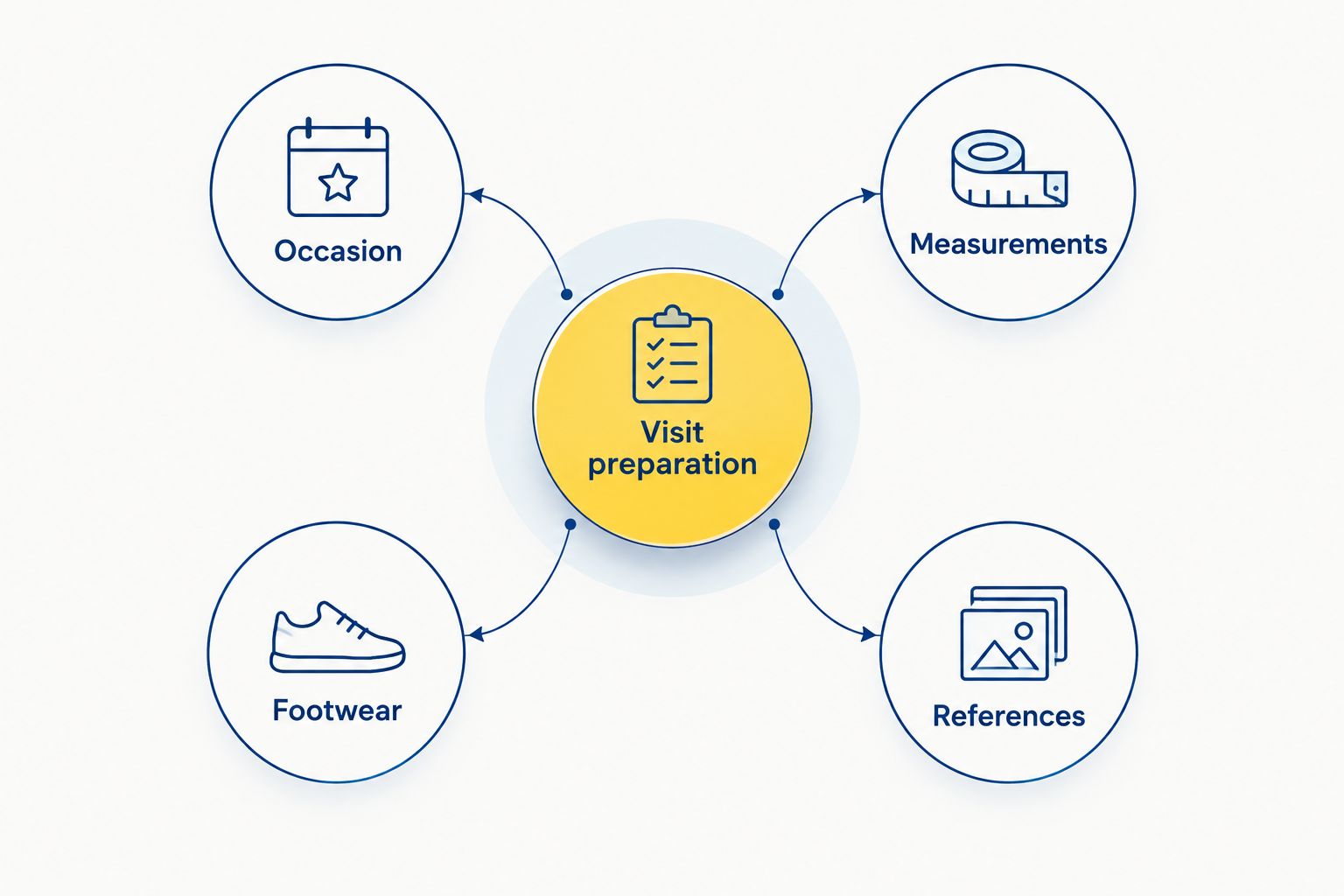
Before visiting, prepare these details:
- Occasion: Bring the invitation or explain the dress expectations.
- Measurements: Note your usual fit concerns as well as measurements.
- Footwear: Explain your intended heel height when discussing garment length.
- References: Bring outfit photographs and any family colour references.
- Budget: State your spending limit and ask for current prices.
Visit our Simei store
Visit The Fashion Silk, 04-K5, Eastpoint Mall, Simei, Singapore, open 10 AM–10 PM every day. Shoppers from across Singapore can use the visit to compare fabric textures, inspect garment details and ask for personal outfit and sizing help.
For your 2026 festive outfit, bring your occasion details, measurements and reference photographs. Ask about the specific garments and sizes you want before making a dedicated journey; do not assume every design and size is ready for purchase.
Plan your festive outfit visit
Bring your occasion details and measurements, then ask for personal outfit and sizing help in Simei.
FAQ
What's the best Indian outfit for Singapore's festive season?
A festive saree is the default choice for traditional celebration dressing. Choose a cotton kurti for repeat wear or a lehenga when you prefer a skirt-based wedding outfit.
Is a saree better than a lehenga for a wedding guest?
A saree is better if you prefer draped dressing; a lehenga is better if you prefer a separate skirt and top. Check the invitation, garment weight and your comfort before choosing.
What should I check when buying a plus-size suit?
Check the actual garment measurements, especially the shoulders, bust, upper arms, hips and length. A size label alone does not establish whether the suit fits comfortably.
Are cotton kurtis suitable for festive gatherings?
Cotton kurtis suit casual festive gatherings when their styling matches the dress expectations. A simple everyday kurti is not an automatic substitute for a formal occasion outfit.
How can my family coordinate Indian outfits without matching exactly?
Choose a shared colour, border detail or level of formality rather than identical garments. Keep each person's fit and preferred outfit type as separate requirements.
Where can I visit The Fashion Silk in Singapore?
Visit The Fashion Silk at 04-K5, Eastpoint Mall, Simei, Singapore, open 10 AM–10 PM every day. Bring your occasion details and measurements, and ask for personal outfit and sizing help.
What should I bring when shopping for a festive outfit?
Bring the invitation, your measurements and outfit reference photographs. Discuss your footwear, budget and any garments already chosen for family coordination.
One last thing
Check the parts you cannot see in an outfit photograph. Embroidery backing, sleeve openings, lining and waistband construction affect how a garment feels, even when the colour and decoration look right.
Make those checks before choosing accessories. An outfit that feels comfortable deserves the shortlist more than one that only photographs well.