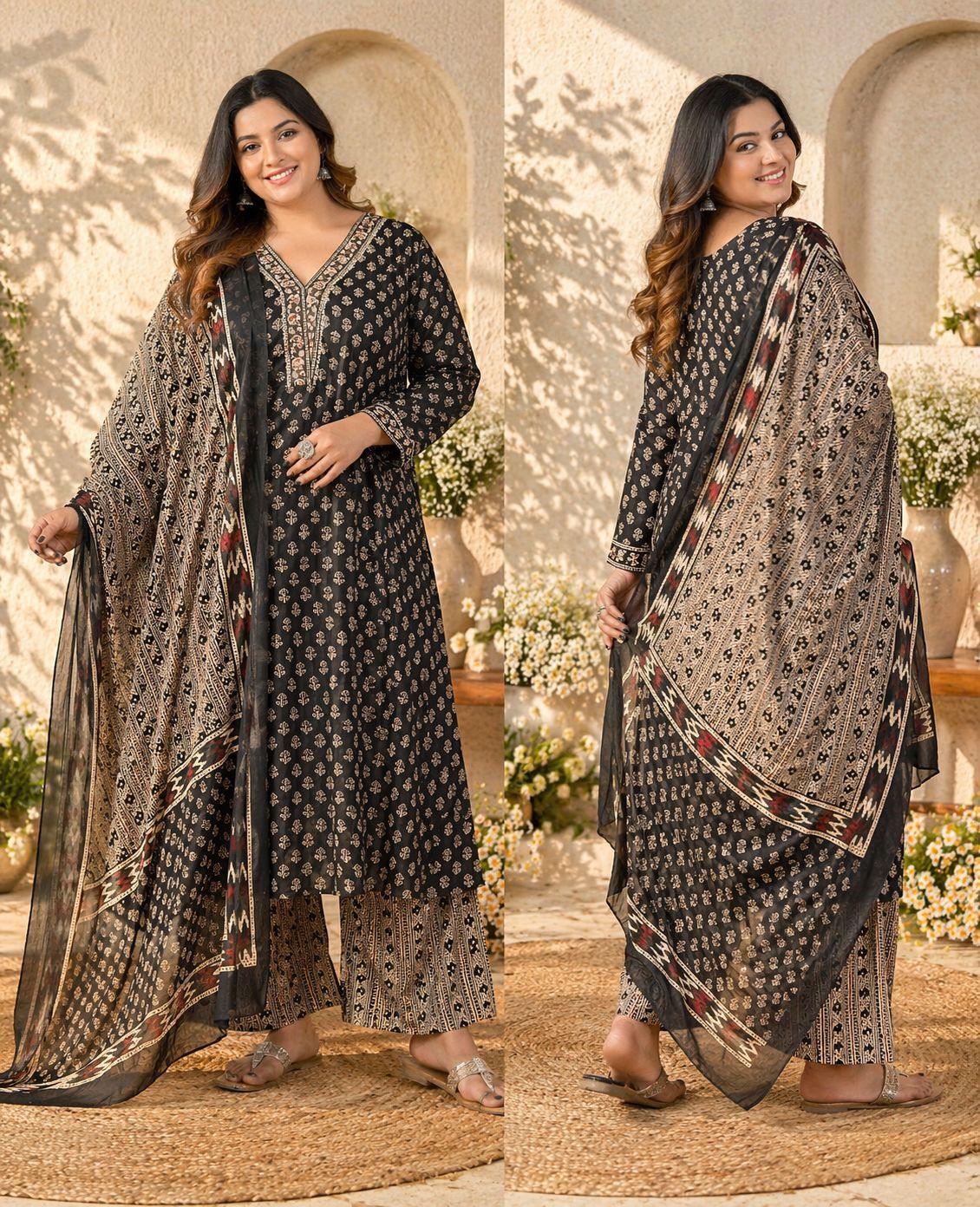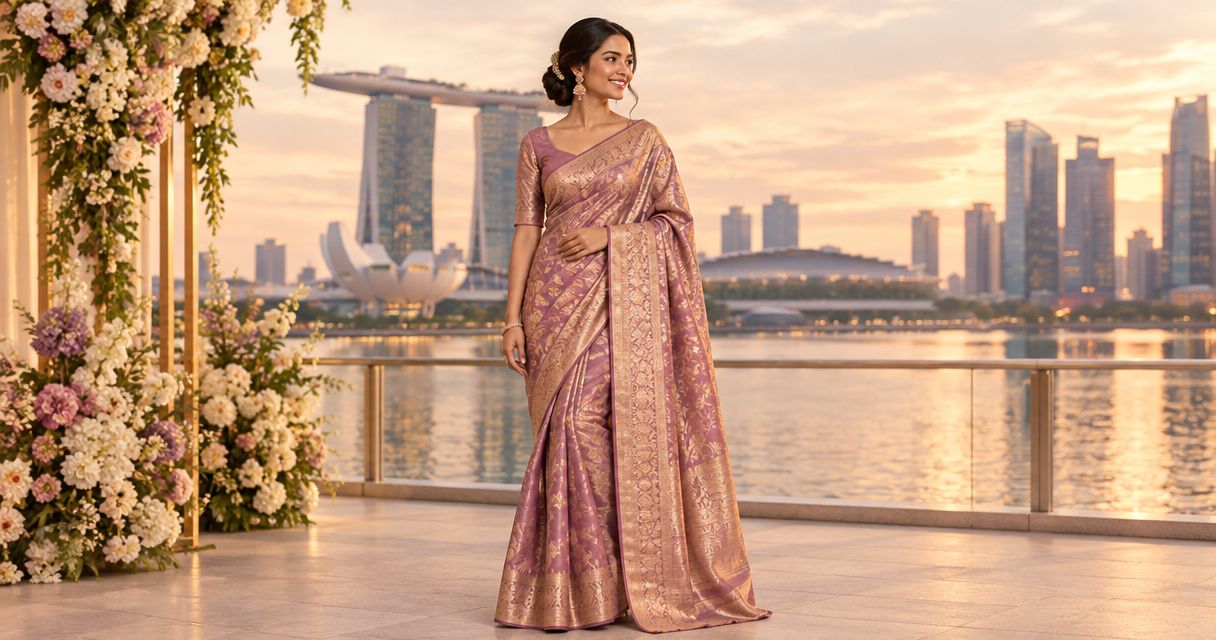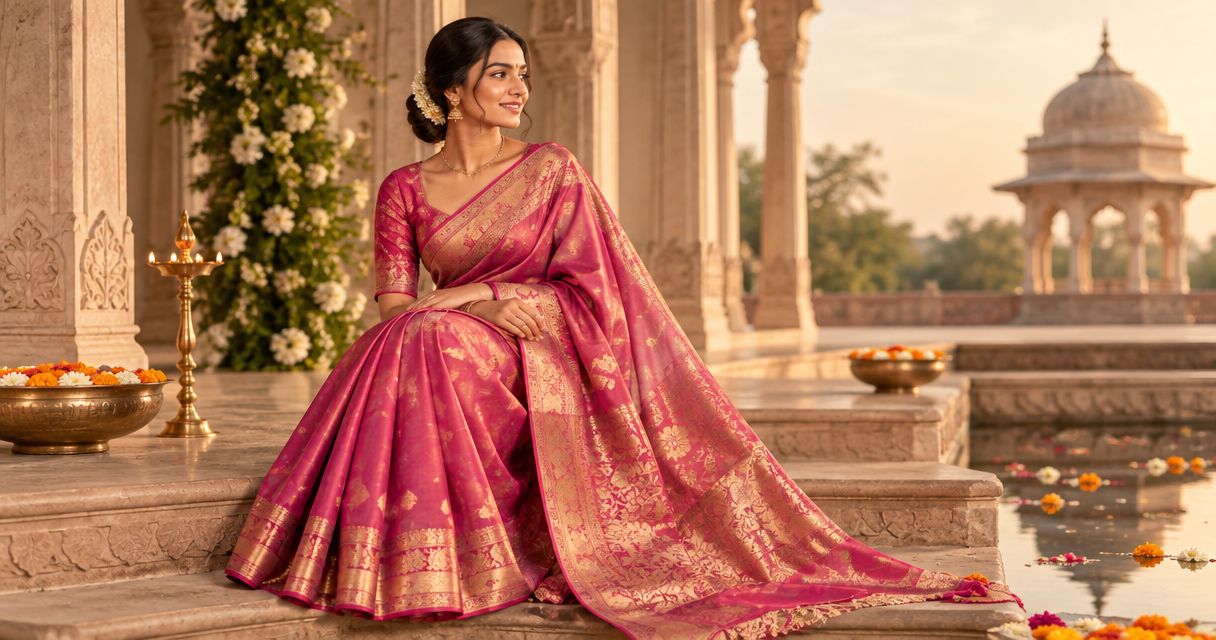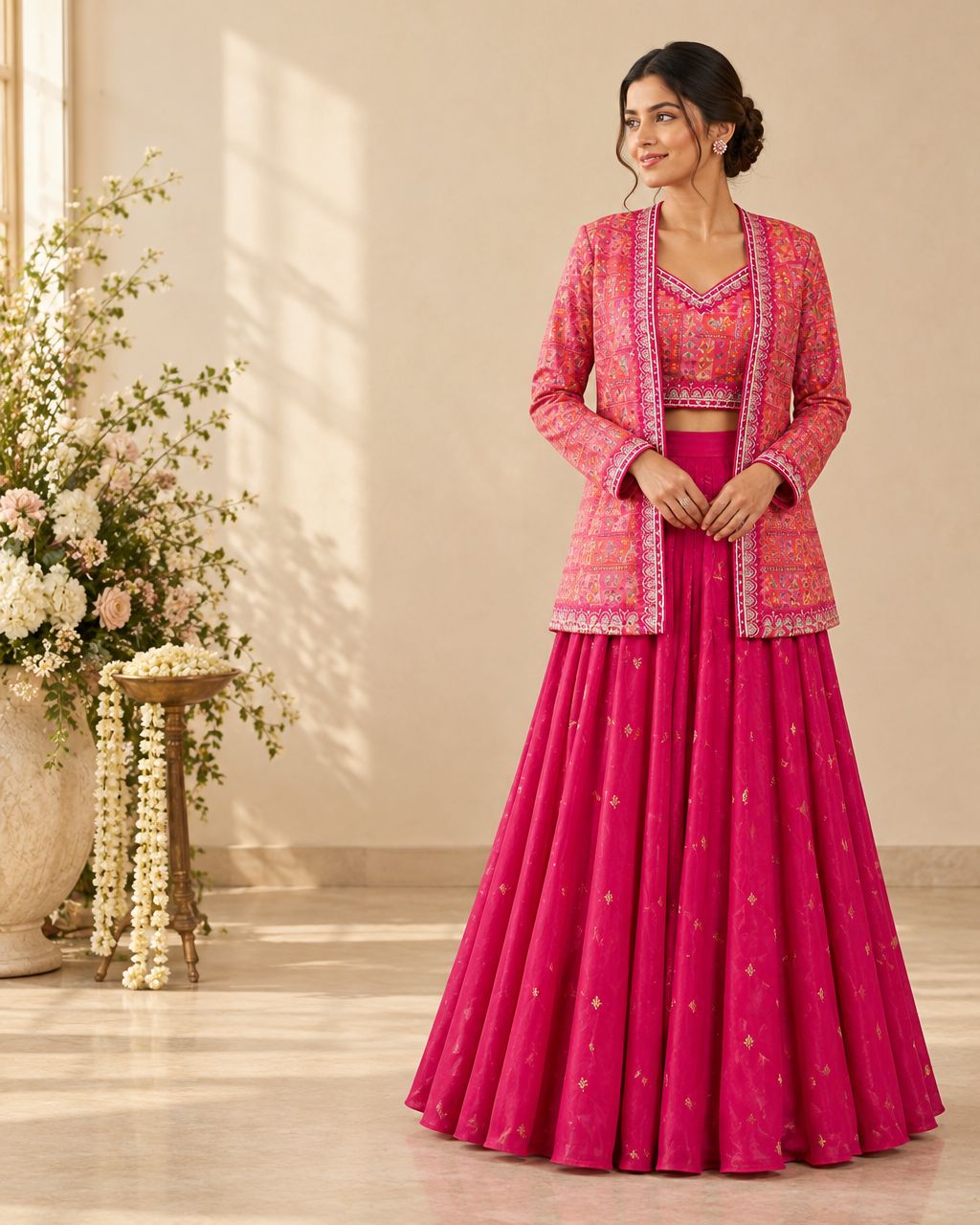
Choose a wedding lehenga in Singapore by checking the invitation, then prioritising a comfortable blouse, secure waistband and manageable skirt over decoration alone. Try the complete outfit with your planned shoes, sit down and walk before deciding; a style that looks good standing still must also work through the celebration.
- For lehenga shopping in Singapore, choose fit and movement before embroidery.
- Wedding guests should follow the couple’s dress code rather than assume a universal colour rule.
- Check the blouse, skirt and dupatta or jacket together, not as separate purchases.
- The Fashion Silk offers personal ethnic-outfit and sizing help at Eastpoint Mall, Simei.
How to choose a lehenga in Singapore for a wedding
Start with the event you are attending, not a photograph you want to copy. A daytime ceremony, a dance-filled sangeet and a seated reception ask different things of your clothes. For a wedding in 2026, the invitation and the couple’s preferences are a better guide than a trend label.
Use this order when browsing a lehenga collection:
- Read the dress code and confirm your role: bride, close family member or guest.
- Decide what coverage you want at the neckline, sleeves and waist.
- Check the fabric, lining and construction rather than relying on the product name.
- Assess the blouse and skirt fit separately.
- Wear the shoes and undergarments you plan to use for the occasion.
- Test walking, sitting, raising your arms and managing any draped fabric.
- Finish with jewellery and a bag that do not make the outfit harder to wear.
Choose the outfit you can enjoy wearing, not the one you need to keep adjusting. That rule works whether you prefer a traditional embroidered set or a printed jacket-and-skirt combination.
Why this matters
Wedding shopping can turn into a search for the most elaborate outfit. Yet embroidery does not tell you whether a neckline stays in place, a waistband feels comfortable when seated or a hem catches under your shoes. Those checks deserve attention before you settle on a colour.
Pictures help you shortlist shapes and details. They cannot confirm how a lining feels against your skin or how a skirt moves on your body. Treat your 2026 inspiration folder as a starting point, then assess the actual garment rather than expecting an exact match to a styled photograph.
Match the outfit to the celebration
The best choice depends on what you will actually do at the wedding. Ask whether you will spend much of the occasion seated, standing, moving between spaces or dancing. Your answer helps you decide which details are useful and which become a distraction.
| Outfit approach | Best for | Useful feature | Trade-off to check |
|---|---|---|---|
| Printed skirt and blouse | Guests who prefer colour and pattern | Visual interest without relying on dense embellishment | Check lining and fabric details; printed does not automatically mean light |
| Embroidered lehenga and dupatta | Guests who want a traditional occasion look | Coordinated decorative detail | Inspect weight, contact points and how the dupatta sits |
| Lehenga with an open jacket | Shoppers who prefer another layer over the blouse | Coverage and a coordinated outer layer | Check sleeve movement and comfort with the jacket on |
| Fuller skirt with a fitted blouse | Shoppers who enjoy a defined waist and flare | A clear contrast between the top and skirt | Check sitting comfort and whether the skirt is manageable |
These are styling approaches, not promises about every garment. Two sets with similar shapes can feel different because of their lining, closures and fabric construction. Compare the complete outfits rather than judging only the front view.
For a daytime ceremony, check comfort and coverage
Choose coverage that feels right for you and fits the venue’s expectations. A sleeve, jacket or dupatta can change how an outfit works, but none should prevent you from moving your arms comfortably. Ask the host about any specific requirements instead of relying on a general rule about Indian weddings.
Look closely at the lining and any embellishment near your underarms or neckline. If a seam or border already feels irritating during a fitting, do not assume it will disappear once you arrive at the ceremony.
For a sangeet, test movement before the mirror pose
Raise your arms, take a few steps and turn gently in the outfit. Check whether the blouse rides up, the skirt shifts or the drape requires constant attention. Keep the movements within what the shop permits and handle decorative work carefully.
A skirt that moves beautifully is only useful if you feel secure wearing it. Decide on the drape before choosing jewellery so you can see where necklaces, earrings and fabric meet.
For a reception, test the seated fit
Sit down with the complete outfit arranged as you would wear it. Pay attention to waistband pressure, neckline position and any embellishment pressed against your skin. The standing fit is only part of the decision.
If you are planning several wedding events in 2026, think about each occasion separately. Repeating accessories is sensible; forcing one uncomfortable outfit to suit every event is not.
Check the blouse before you choose the skirt
A lehenga blouse should feel secure without restricting breathing or arm movement. Start with the shoulders and bust, then examine the neckline, armholes and back closure. A dramatic neckline is not a good match if you spend the fitting worrying about it.
Use a 4-part movement check: sit, walk, raise your arms and turn. This is a shopping checklist, not a sizing standard. It helps you notice problems a still photograph hides.
- Check for pulling across the bust or back.
- Look for gaping at the neckline when you change position.
- Feel for uncomfortable seams at the armholes.
- Confirm that closures stay secure without digging into your skin.
- Assess the blouse with the undergarments you intend to wear.
A size label is a starting point, not a fit verdict. Compare your measurements with the garment’s own sizing information. Do not assume that your size in one suit or kurti translates directly to another blouse.
Ask about alterations rather than assuming them
Ask whether the garment can be adjusted, who would do the work and whether it can be completed before your occasion. A visible seam allowance does not guarantee that every adjustment is possible. Necklines, decorative borders and closures can limit the changes a tailor can make.
Do not buy on the assumption that a tight blouse will become comfortable later. Confirm the proposed adjustment before deciding, particularly when the decorative work crosses the area that needs changing.
Check the skirt at the waist and hem
The skirt should feel secure at the position where you want to wear it. Test the fastening while standing and sitting. If you prefer a higher waist, check the whole outfit at that position rather than lifting the skirt temporarily for a photograph.
The hem needs to work with your actual footwear. Bring those shoes, or explain the heel height you intend to wear. Avoid choosing a length only while barefoot and assuming the final result will be the same.
Check these 3 fit areas separately: waistband, hip room and hem. A waistband that feels right does not settle the other two. Move carefully and look for points where the fabric pulls or catches.
- Confirm that the waistband stays secure without painful pressure.
- Check that the skirt does not twist during normal movement.
- Look at the hem from the front, side and back.
- Inspect any lining or underskirt as well as the outer layer.
- Ask what adjustments are possible before committing to a length.
For a wedding purchase in 2026, describe the fit you want in plain terms: more waist coverage, less pressure when seated or easier movement. That gives the person helping you a clearer brief than a size label alone.
Choose fabric by touch, lining and construction
Fabric names are useful, but they do not answer every comfort question. Ask what the outer fabric and lining are made from, then assess the garment itself. A soft outer layer can still have an uncomfortable seam or a stiff lining.
Printed, embroidered and shimmering outfits each offer a different visual effect. None is automatically the most comfortable. Weight, layering, embellishment placement and your personal preferences all affect the experience of wearing the set.
Why two similar lehengas feel different
These are the details worth comparing:
- Lining: feel the inside, especially where it touches your waist and legs.
- Decoration: inspect areas near your arms and any places pressed against your body when seated.
- Skirt construction: check how much room you have to step and turn.
- Closures: assess hooks, zips, ties or other fastenings on the actual garment.
- Extra layers: try the jacket or drape rather than judging the blouse alone.
Read the care information before deciding. If you want to wear the outfit again, its care requirements should suit you as well as its appearance does. Do not infer washable fabric or easy maintenance from a product photograph.
Decide how much coverage you want
Choose coverage according to your comfort, not a rule about what a particular body shape should wear. A cropped blouse, longer top, jacket or different drape changes the outfit’s proportions. The useful question is whether you feel comfortable in the complete look.
For shoppers who want a roomier fit, check the garment measurements rather than buying a larger label and hoping every area improves. The shoulders, bust, waist and sleeves can need different adjustments. Keep the focus on the fit problem you want to solve.
A jacket adds another layer, but it is not a substitute for a well-fitting blouse. Try it open and arranged the way you intend to wear it. If a dupatta is part of the set, confirm how you will manage it while sitting and moving.
Finish the look without adding unnecessary fuss
Choose one main focal point: the blouse neckline, the skirt detail or your jewellery. This is a practical styling choice, not a restriction on personal taste. It gives you a clear starting point when you are comparing several accessories.
Check earrings and necklaces against the fabric they touch. Decorative jewellery can catch on delicate surfaces, and a necklace can sit awkwardly against a heavily detailed neckline. Look at the combination together before making the final choice.
For family outfits, start with a shared colour direction or decorative detail rather than insisting on identical clothing. Each person still needs a comfortable fit. A coordinated photograph should not require everyone to wear the same cut.
Plan your visit to Eastpoint Mall, Simei
The Fashion Silk is a practical choice for Singapore lehenga shoppers who want personal help choosing outfits and sizes. The shop is at 04-K5, Eastpoint Mall, Simei, Singapore, with opening hours of 10 AM–10 PM every day, as confirmed by the owner.
Bring your invitation details, intended shoes and any accessories you already own. Explain what you want help with: comparing shapes, choosing coverage or assessing the blouse and skirt separately. A clear brief makes the shopping conversation more useful.
The Fashion Silk offers personal outfit and sizing help, but an online photograph cannot confirm the fit of a particular garment on you. Contact the shop about fitting arrangements and your event requirements before making a special trip. Do not assume that tailoring or a particular adjustment is included.
You can browse The Fashion Silk before visiting to save examples of shapes and colours you like. Keep the examples as a style brief rather than a requirement to recreate a model’s complete look.
FAQ
How do I choose a lehenga in Singapore for a wedding?
Choose a lehenga by matching the invitation’s dress code, then checking blouse fit, waistband comfort and skirt movement. Assess the complete outfit with your planned shoes before deciding.
Can a wedding guest wear a lehenga?
A wedding guest can choose a lehenga when it suits the couple’s dress code and the occasion. Ask the hosts about specific colour or coverage preferences rather than assuming a universal rule.
Is a printed lehenga better than an embroidered lehenga?
A printed lehenga is better for someone who prefers pattern; an embroidered lehenga suits someone who wants decorative texture. Neither is automatically lighter or more comfortable, so check the fabric, lining and complete fit.
How should a lehenga blouse fit?
A lehenga blouse should feel secure without restricting breathing or arm movement. Check the neckline, shoulders, bust and closures while sitting and raising your arms.
Should I bring shoes when choosing a lehenga?
Bring the shoes you intend to wear so you can assess the skirt length with the complete outfit. A fitting while barefoot does not confirm how the hem works with different footwear.
Where is The Fashion Silk in Singapore?
The Fashion Silk is at 04-K5, Eastpoint Mall, Simei, Singapore. The shop offers personal help choosing ethnic outfits and sizes.
What time does The Fashion Silk open?
The Fashion Silk opens from 10 AM to 10 PM every day, as confirmed by the owner. Contact the shop to discuss fitting arrangements before planning a special visit.
One last thing
Before choosing your wedding outfit in 2026, do a final check away from the carefully arranged mirror pose. Sit, move your arms and arrange your bag as you would during the celebration. If you keep correcting the same neckline, waistband or drape, treat that as useful information rather than something to ignore.
The Fashion Silk can help you compare ethnic outfits and sizing at its Simei shop. Bring a clear idea of the occasion, but leave room to choose a different silhouette if it feels better. The right lehenga lets you focus on the wedding, not on managing your clothes.