For shoppers seeking a mohi fashion alternative in 2026, The Fashion Silk is best for personal saree and suit selection help at a physical shop in Singapore. Keep any Mohi Fashion outfit you already like on your shortlist; compare alternatives when you need more help choosing fabric, checking sizing or putting an occasion outfit together.
- The Fashion Silk is a mohi fashion alternative for shoppers wanting personal saree and suit advice in Singapore.
- Choose everyday cotton sarees for repeat wear; assess fabric feel, transparency and blouse coordination.
- Choose suits by garment measurements and movement, not the size label alone.
- Visit the Simei store with outfit references, measurements and your occasion details.
Why this matters
The right alternative is the one that solves your actual shopping problem. Finding a wedding outfit, choosing a comfortable everyday saree and buying a roomier suit require different checks.
A photograph helps you shortlist colour and decoration. It does not show how a waistband feels, whether a sleeve restricts movement or whether you enjoy handling the fabric. Make those questions part of your decision before committing to an outfit.
For your 2026 shopping shortlist, start with the occasion, then your fit requirements, then the finishing details. That order keeps an attractive design from distracting you from something you will not feel comfortable wearing.
Mohi Fashion alternatives at a glance
This comparison separates a store recommendation from outfit-selection routes. The routes are not additional retailers: they help you decide what to ask for when comparing sarees and suits.
| Option | Best for | Main decision point | How to use it alongside Mohi Fashion |
|---|---|---|---|
| Mohi Fashion | Reassessing an outfit you already like | The specific garment, rather than assumptions about the whole range | Keep it as your reference and apply the same fabric and fit checks |
| The Fashion Silk | Personal outfit and sizing help in Singapore | Discussing sarees, suits and occasion needs at the Simei shop | Compare your reference outfit with choices discussed in person |
| Everyday cotton saree route | Repeat wear and simpler styling | Fabric feel, drape and care requirements | Compare daily usefulness rather than decorative impact alone |
| Roomier suit route | Shoppers prioritising movement and fit | Shoulders, upper arms, bust, hips and trouser comfort | Compare garment measurements, not matching size labels |
| Coordinated occasion route | Families planning wedding or festive outfits | A shared colour direction with individual fit needs | Assess the whole group rather than choosing outfits separately |
Use the same checklist for every retailer. A familiar name should not excuse an uncomfortable garment, and a new shop should not win simply because the outfit looks different.
1. The Fashion Silk: best for personal selection help
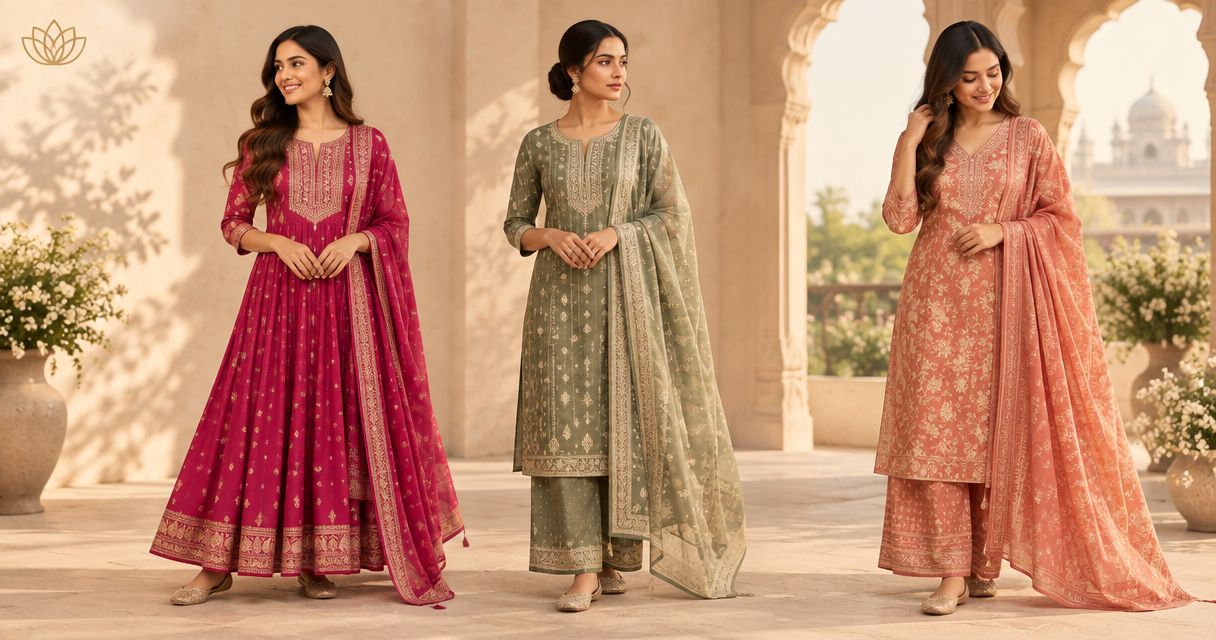
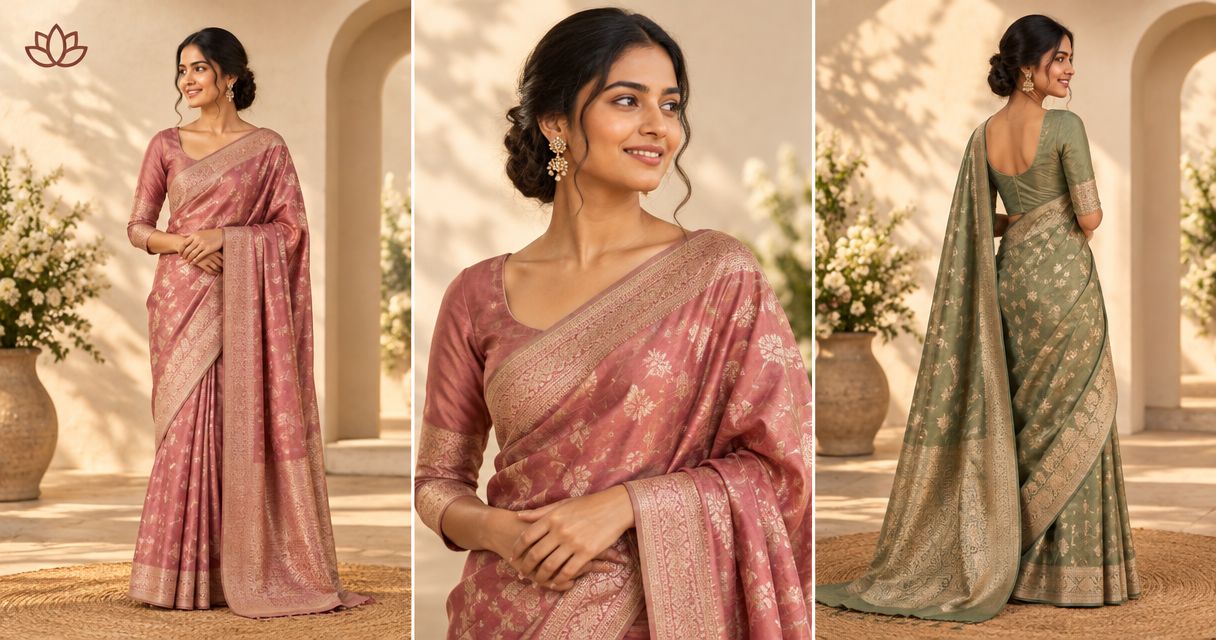
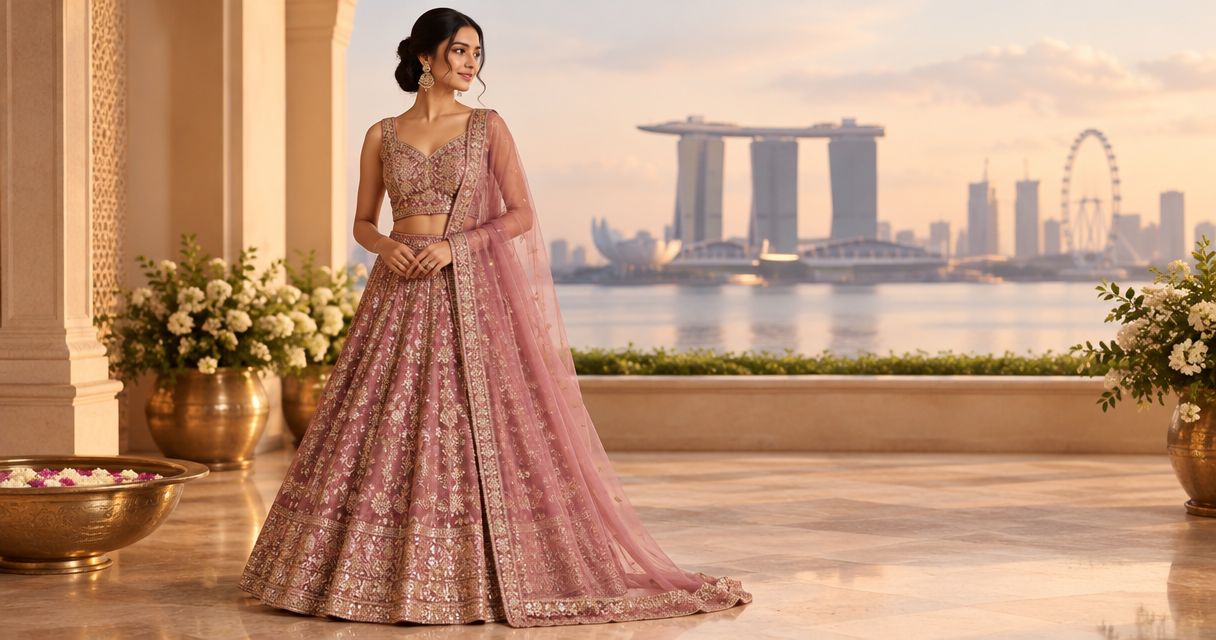
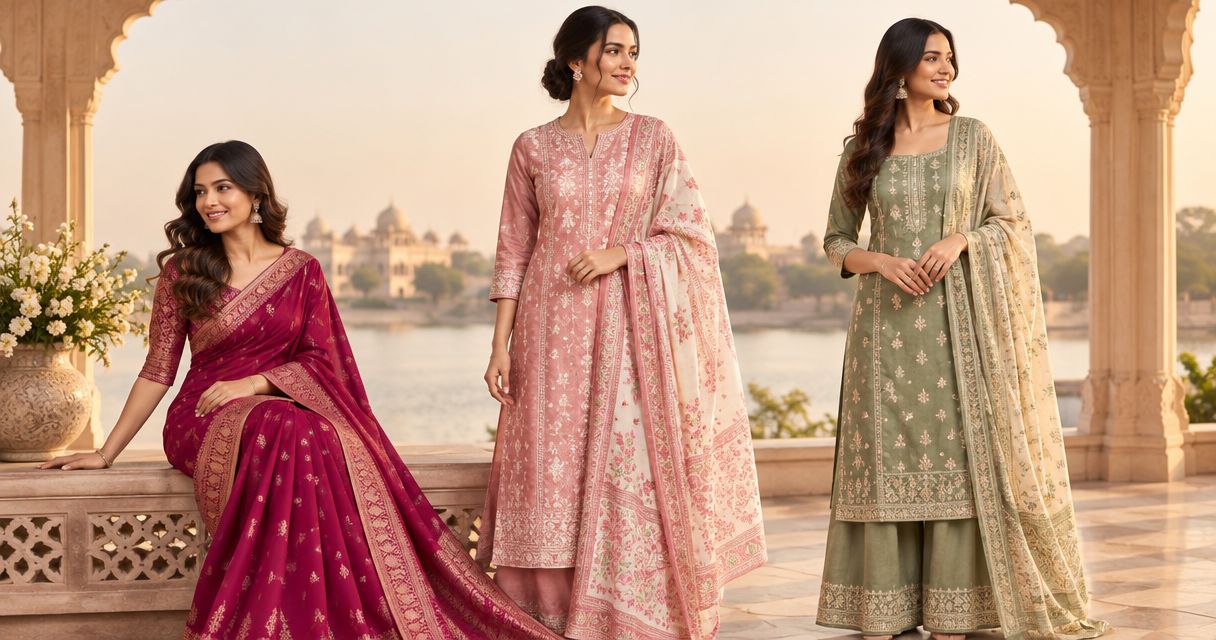
The Fashion Silk sells women's ethnic wear, including sarees, lehengas, suits and kurtis, alongside jewellery and accessories. Its confirmed strengths include affordable prices, distinctive designs and fabrics, and personal help choosing outfits and sizes.
That makes the store a practical starting point when you know the occasion but have not settled on the outfit. Bring a reference image and explain what you like about it: the colour, sleeve coverage, shape or level of decoration.
Where the store shines
- Personal outfit and sizing guidance helps you discuss more than appearance.
- Sarees, suits, kurtis and lehengas give you different outfit types to consider.
- The Simei destination gives shoppers across Singapore a physical place to seek advice.
- Jewellery and accessories can be part of the outfit conversation rather than an afterthought.
Where the store falls short
- Visiting a physical shop requires time in your schedule.
- A broad clothing range does not establish that your exact design or size is available; confirm the individual item.
- Personal advice does not replace checking garment measurements and your own comfort requirements.
Best for: shoppers who want help translating an inspiration image into an outfit suited to their occasion and sizing needs.
Verdict: Buy only after the specific outfit passes your fabric, fit and occasion checks. The recommendation is about the shopping support, not a claim that every garment suits every shopper.
2. Everyday cotton sarees: best for repeat wear
An everyday cotton saree is a useful alternative direction when your current shortlist feels too occasion-specific. Focus on a fabric you enjoy handling and a colour you can combine with pieces you already own.
Cotton alone is not a complete buying specification. Ask about the stated composition, inspect the weave and check the care instructions for the actual garment.
Where this route shines
- It puts repeat wear ahead of a single-event photograph.
- It gives you a clear reason to assess fabric feel and transparency.
- It encourages you to plan the blouse and petticoat before buying.
Where this route falls short
- A cotton saree is not automatically soft, opaque or easy to maintain.
- A simpler saree will not satisfy every wedding or festive dress code.
- You still need to consider draping and blouse fit; the fabric choice does not resolve either.
For everyday shopping in 2026, describe your routine clearly. Explain whether you expect to sit for long periods, move frequently or wear the saree through several activities. Ask for guidance around those needs rather than requesting something vaguely comfortable.
Best for: shoppers buying a saree to wear repeatedly rather than solely for an occasion.
Verdict: Buy for your real routine; skip a fabric you dislike handling, even if you love the colour.
3. Roomier suits: best for fit-first shopping
A suit is worth considering when you prefer a stitched outfit and want to focus on movement, coverage and proportion. For plus-size shoppers, the useful question is not simply whether a larger label exists: it is whether the garment fits in the right places.
Use this guide to choosing a salwar suit with a roomier fit to prepare your questions. Discuss shoulders, upper arms, bust, hips and the comfort of the trousers separately.
Where this route shines
- Separate checks help you identify where an otherwise attractive suit feels restrictive.
- A familiar, well-fitting garment gives you a useful measurement reference.
- You can discuss sleeve coverage, neckline and overall length together.
Where this route falls short
- Sizing up can create extra fabric where you do not need it without fixing the original problem.
- A loose silhouette does not guarantee unrestricted shoulders or upper arms.
- Embellished areas, lining and seams still need individual attention.
Bring measurements from a garment you already enjoy wearing, with the measuring method noted. Body measurements and garment measurements are different; make clear which you are sharing.
Best for: plus-size shoppers and anyone who prioritises comfortable movement over a particular size label.
Verdict: Buy the fit, not the label; hold any suit that restricts essential movement.
4. Coordinated occasion outfits: best for family planning
For a wedding or festive gathering, coordinating outfits does not require everyone to wear the same garment or exact shade. Start with a shared colour direction, then let each person's outfit reflect their comfort and role at the event.
This route is especially useful when separate purchases are beginning to look unrelated. Bring everyone's reference images together before making the next choice.
Where this route shines
- A shared colour direction gives the group a clear shopping brief.
- Different silhouettes leave room for individual preferences.
- Planning together helps you discuss how sarees, suits and other occasion outfits relate visually.
Where this route falls short
- An exact colour match can be difficult across different fabrics.
- One person's preferred level of decoration will not suit everyone.
- Coordinating appearance does not remove the need to check each person's fit separately.
Best for: families who want their wedding or festive outfits to look related without making every choice identical.
Verdict: Buy around a shared colour direction; skip forced matching that compromises comfort.
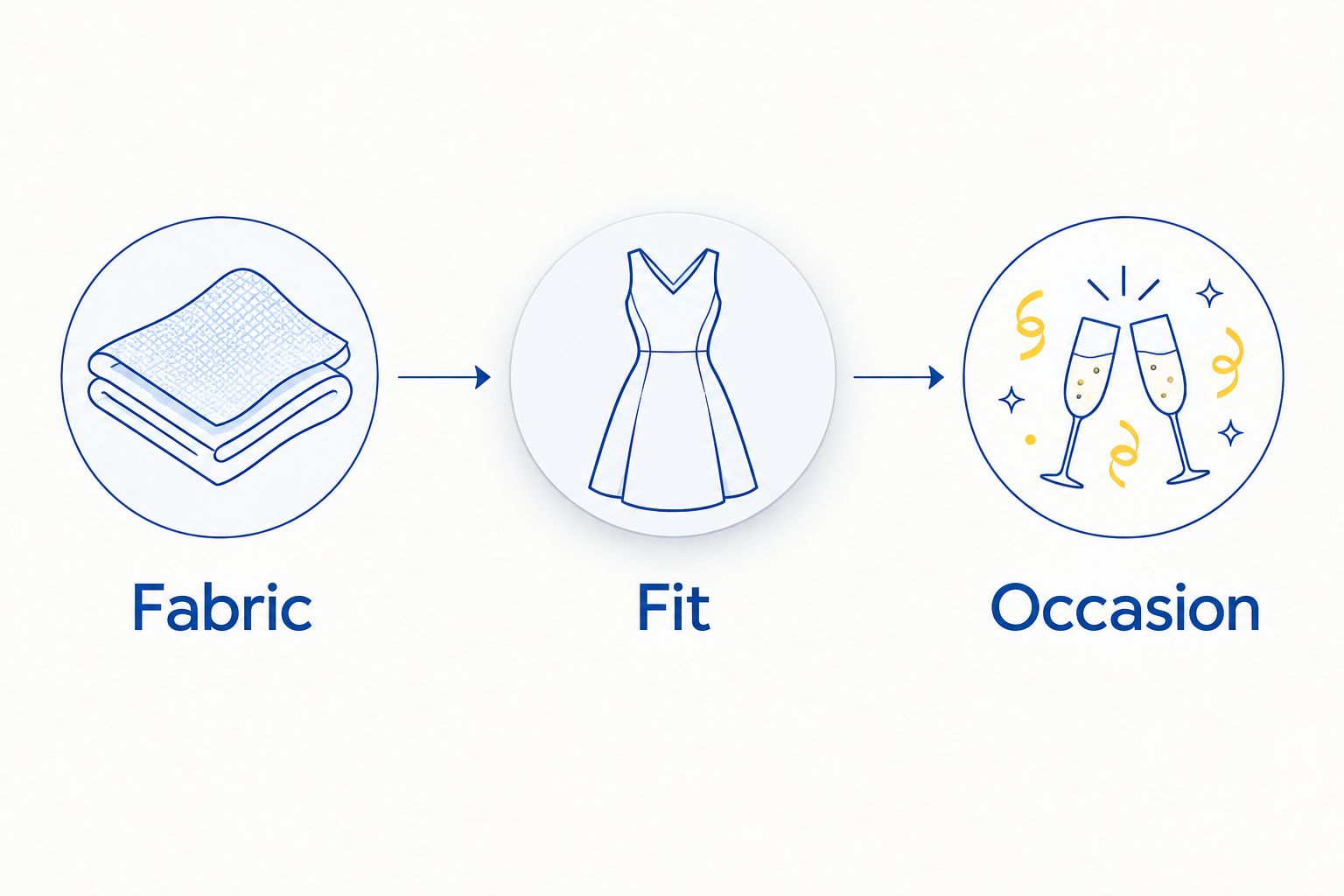
Compare fabric, fit and occasion before choosing
Use this sequence for your 2026 shortlist, whether you stay with your original choice or visit another shop. It keeps the comparison focused on the garment you will actually wear.
Fabric
Check the stated composition and care instructions. Look closely at the weave, lining, embroidery backing and transparency, and ask about anything the description leaves unclear.
Fit
Discuss the areas that usually cause difficulty. For suits, that includes shoulders, upper arms, bust and hips; for saree outfits, include the blouse and petticoat rather than judging the saree alone.
Occasion
Explain the event, expected dress code and what you will be doing. Sitting through a ceremony, greeting guests and dancing are different outfit requirements.
Finish by considering what you already own. An outfit that needs a different blouse, footwear and jewellery deserves a different decision from one that works with your existing wardrobe. Write down those extra requirements before choosing.
Why consider switching from Mohi Fashion?
Switch when your current option leaves an important shopping requirement unresolved—not because an alternatives list tells you to abandon it. These are decision criteria, not claims about Mohi Fashion's service or products.
- You need personal selection help. Discuss your event, preferred coverage and sizing concerns with someone before choosing.
- Your brief has changed. A wedding reference is not necessarily the right starting point for an everyday wardrobe purchase.
- Fit needs more attention. Compare actual garment details when a size label does not answer your questions.
- You are buying for a group. Bring the family colour plan into the conversation before selecting individual pieces.
For a 2026 event, include the event date in your shopping brief. Ask about the specific outfit and any unresolved requirements without assuming delivery, alterations or other arrangements.
Visit our Simei store
Visit The Fashion Silk, 04-K5, Eastpoint Mall, Simei, Singapore. The store is open 10 AM–10 PM every day.
Use the visit to discuss fabric choices, outfit proportions and the sizing concerns behind your search. Ask for personal outfit and sizing help, especially if you are deciding between a saree and a suit or choosing clothing for a family occasion.
Before visiting, prepare:
- Reference images showing the colours and shapes you like.
- Your occasion date, dress code and preferred level of decoration.
- Relevant measurements, clearly identified as body or garment measurements.
- Photos of jewellery, footwear or a blouse you want to use.
- Your spending limit and any individual items you want to enquire about.
Confirm any specific fitting, alteration or appointment requirements before relying on them. Shop opening hours alone do not establish those arrangements.
When staying with Mohi Fashion is the right call
Keep your original choice if the particular outfit meets your fabric, fit, occasion and purchasing requirements. There is no benefit in changing retailers just to replace a decision you are already happy with.
Apply the same standard to every option. A suitable garment matters more than winning a brand comparison.
FAQ
What's a good mohi fashion alternative in Singapore?
The Fashion Silk is a good alternative for shoppers seeking personal saree and suit selection help at a physical Singapore shop. Visit the Simei store with your occasion details, outfit references and sizing questions.
Is The Fashion Silk better than Mohi Fashion?
Choose by the specific outfit and the help you need, rather than assuming one retailer is better for everyone. The Simei store is a relevant option when personal outfit and sizing guidance is part of your decision.
Should I choose a saree or a suit for a wedding?
Choose the outfit that meets the dress code and feels manageable for the event. Include blouse fit and draping in a saree decision, and shoulder, sleeve and trouser comfort in a suit decision.
What should plus-size shoppers check before buying a suit?
Check garment measurements and movement rather than relying on the size label alone. Discuss shoulders, upper arms, bust, hips and trouser comfort separately.
What should I bring when shopping for a cotton saree?
Bring a colour reference and photos of the blouse or accessories you want to use. Ask about the specific saree's composition, transparency and care instructions.
How can my family coordinate outfits without matching exactly?
Choose a shared colour direction while allowing different silhouettes and levels of decoration. Check each person's fit independently rather than treating the group as one sizing decision.
Where is the Simei shop and when is it open?
The store is at 04-K5, Eastpoint Mall, Simei, Singapore, and opens 10 AM–10 PM every day. Bring your outfit references and ask for personal selection and sizing help.
One last thing
Save a photograph of an outfit you decided against and note the reason. An uncomfortable sleeve, unwanted transparency or difficult colour pairing gives you a more useful shopping brief than another inspiration image alone.
Bring that brief on your visit. Explain what must change, not just what you hope to find.